
North Dakota residents have been deeply impacted by substance abuse issues, especially opioid and alcohol abuse. Fortunately, those with drug or alcohol addiction can find treatment options at rehab centers throughout the state.
Some of the best addiction treatment centers available for drug or alcohol abuse include inpatient treatment and detox programs.
List Of Rehab Centers And Detox Facilities In North Dakota
Below are a few of the top rehab centers in the state of North Dakota that offer addiction recovery services.
These programs feature top marks of quality care.
Top features may include:
- accreditations
- Google ratings
- client testimonials
1. Heartview Foundation, Bismarck, North Dakota
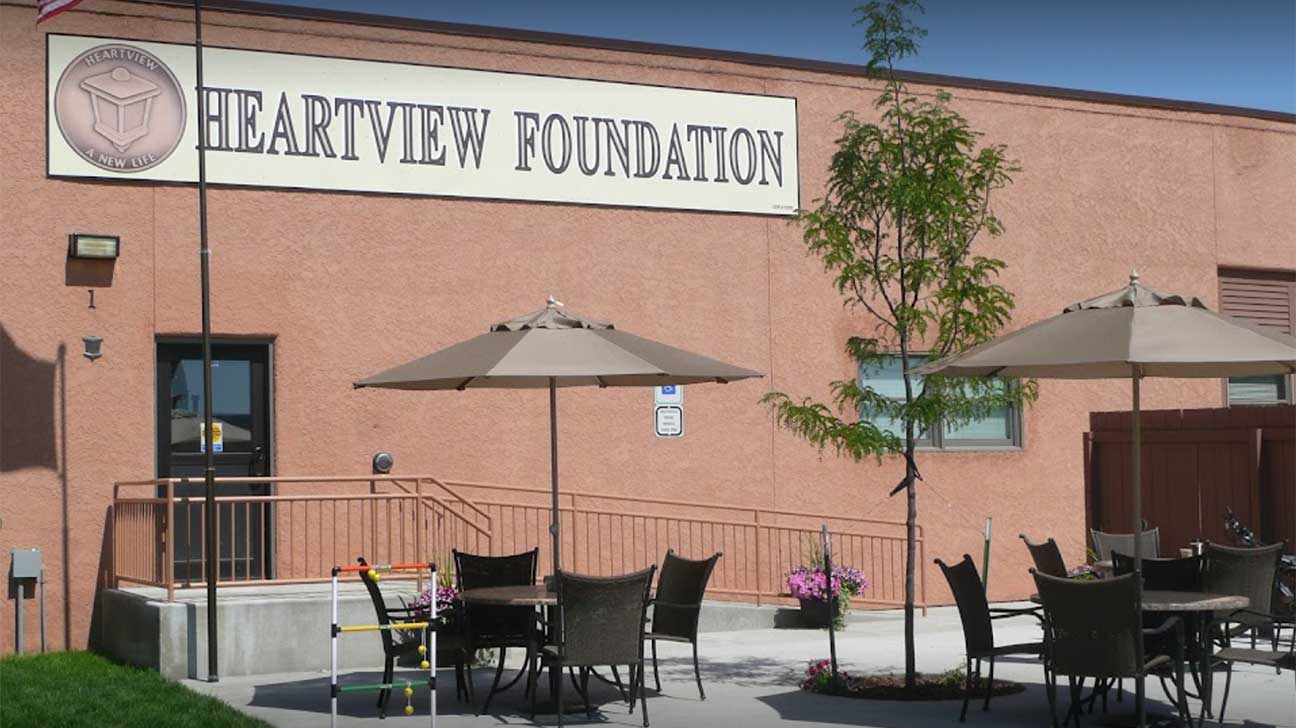
The Heartview Foundation offers evaluation services for people mandated by the courts for substance abuse assessment and treatment.
The Bismarck location has two residential treatment centers, one with 16 beds and one with 13 beds.
In addition to addiction care, residents will also have access to activities such as church, board games, community outings, and more.
Trusted features:
- Joint Commission accreditation
- client testimonials
- evidence-based treatment
Levels of care:
- residential treatment
- outpatient treatment
- medication-assisted treatment (MAT)
Treatment services:
- methadone treatment
- counseling
- dual diagnosis treatment
- group therapy
- holistic treatment
Payment options:
- self-pay
Location and contact information:
101 E. Broadway Ave.
Bismarck, ND 58501
(701) 222-0386
Learn more about Heartview Foundation
2. New Freedom Center, Bismarck, North Dakota
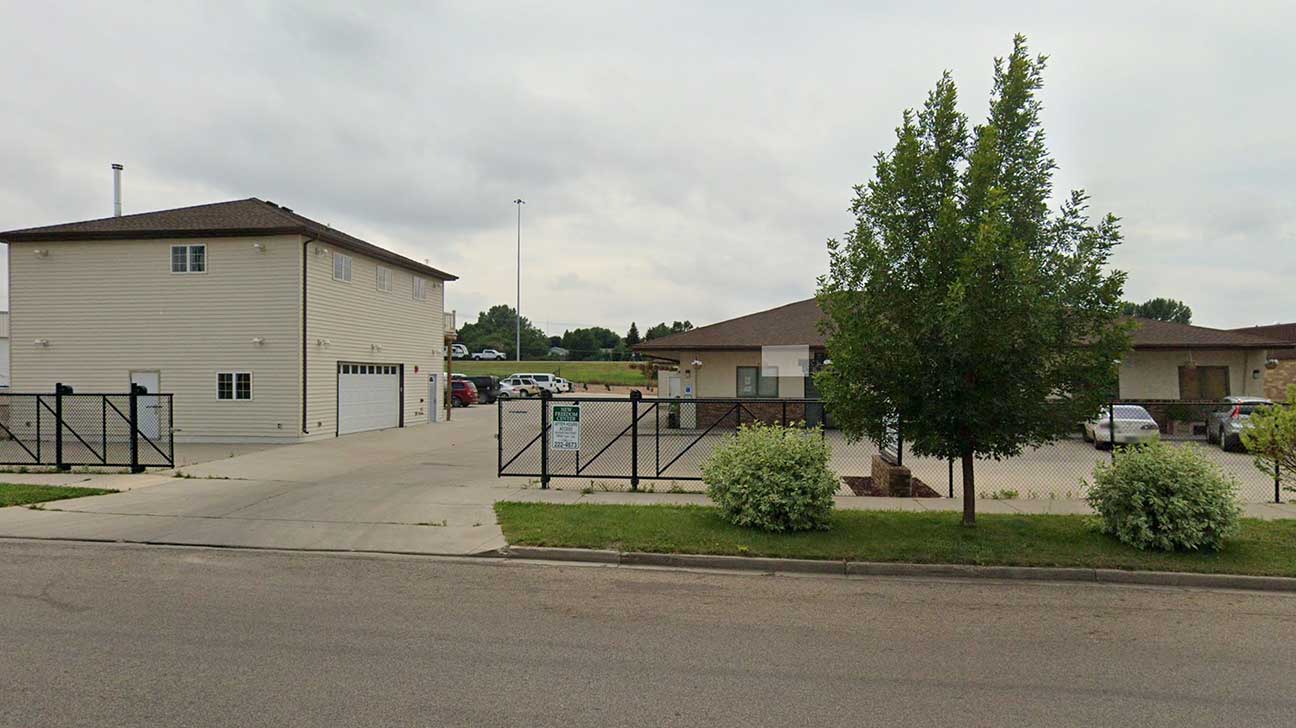
The New Freedom Center is licensed by the state of North Dakota and offers an array of evidence-based and holistic treatment programs.
The holistic approach may include mindfulness-based interventions, coping skills, and more.
Trusted features:
- licensed staff
- evidence-based treatment
- client testimonials
Levels of care:
- residential treatment
- intensive outpatient program (IOP)
- outpatient treatment
Treatment services:
- group therapy
- family therapy
- counseling
- 12-step recovery groups
- behavioral therapy
Payment options:
- private health insurance
- self-pay
Location and contact information:
905 E. Interstate Ave.
Bismarck, ND 58503
(701) 222-4673
Learn more about New Freedom Center.
3. North Dakota State Hospital, Jamestown, North Dakota
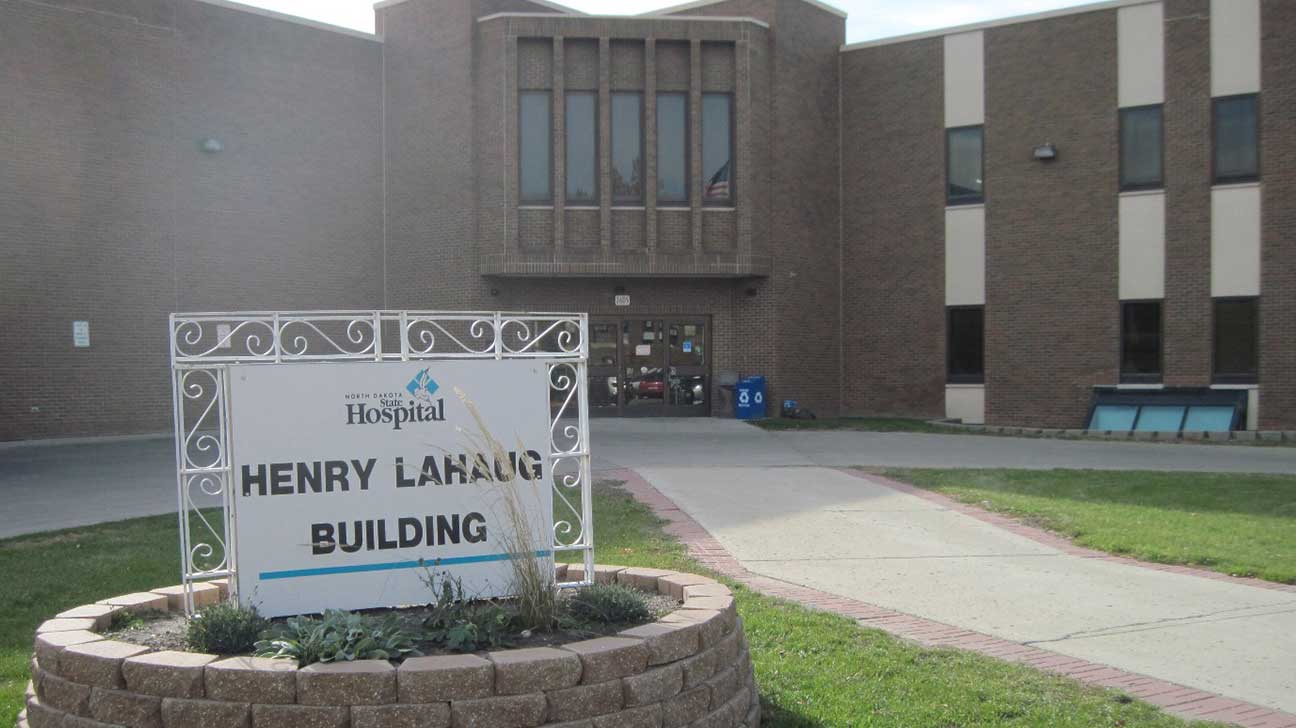
The North Dakota State Hospital provides short-term acute inpatient psychiatric and substance abuse treatment.
Drug rehab programs here include intermediate psycho-social rehabilitation services, forensic services, and evaluations for sexually dangerous individuals.
Trusted features:
- state licensure
- licensed staff
- client testimonials
Levels of care:
- residential treatment
Treatment services:
- counseling
- mental health treatment
- psychiatric services
- trauma-informed therapy
Payment options:
- government funding
- Medicaid
- sliding fee scale
- self-pay
Location and contact information:
2605 Circle Dr.
Jamestown, ND 58401
(701) 253-3650
Learn more about North Dakota State Hosptial.
4. Prairie St. John’s, Fargo, North Dakota

Prairie Saint John’s offers multiple levels of care, including a medication-assisted treatment (MAT) program for people addicted to heroin or alcohol.
Adolescents and children can receive mental health treatment at this facility, but their addiction treatment services are mainly for adults over 18 years old.
Holistic services available here include music therapy, activity therapy, and recreational therapy.
Trusted features:
- Joint Commission accreditation
- client testimonials
- licensed staff
Levels of care:
- residential treatment
- partial hospital program (PHP)
- intensive outpatient program (IOP)
Treatment services:
- family therapy
- group therapy
- dual diagnosis treatment
- adolescent treatment
- mental health treatment
- holistic treatment
Payment options:
- private health insurance
- self-pay
Location and contact information:
510 4th St. South
Fargo, ND 58103
(701) 476-7200
5. Trinity Addiction Services, Minot, North Dakota
Trinity Addiction Services is a North Dakota rehab center that is accredited and offers an array of evidence-based recovery services.
The 33-bed residential unit treats both adolescents and adults.
Co-occurring mental health disorders treated here include anxiety disorders, depression, schizophrenia, and bipolar disorder.
Trusted features:
- client testimonials
- evidence-based treatment
- licensed staff
Levels of care:
- residential treatment
- detoxification
- partial hospitalization program (PHP)
Treatment services:
- cognitive behavioral therapy (CBT)
- relapse prevention
- counseling
- dual diagnosis treatment
- 12-step recovery groups
- anger management
Payment options:
- private health insurance
- TRICARE
- Medicare
- Medicaid
Location and contact information:
407 3rd St. SE
Minot, ND 58701
(701) 857-2480
Learn more about Trinity Addiction Services.
North Dakota Alcohol And Drug Abuse Statistics
The following facts provide an overview of the substance abuse issues faced by North Dakota residents.
Recent data shows:
- Over 74% of North Dakota residents in 2021 report that they know addiction is a health condition, which shows stigma improving across the state.
- According to the Centers for Disease Control and Prevention (CDC), there were 124 overdose deaths in North Dakota in 2021.
- Nationwide, approximately 75% of drug overdose deaths in 2021 involved at least one opioid.
Standards To Look For In A North Dakota Rehab Center
Going to a rehabilitation center for treatment is one of the bravest things that an addicted person can do to help turn their life around. Yet not all treatment centers provide the same standards of care.
When looking for a top-notch treatment facility, try to find one with these kinds of treatment standards:
- accreditation from the Joint Commission. CARF, or other accrediting organization
- licensed and highly educated clinicians, counselors, and medical staff
- a mix of evidence-based therapies and holistic treatments
- certification from SAMHSA and other state agencies
- positive reviews from rehab program graduates
Treatment Programs Available In North Dakota After Detox
Rehab centers in North Dakota may offer a range of treatment programs and addiction services. Finding the right rehab program for you or your loved one is crucial to treatment success.
Behavioral health services may include:
- alcohol and drug detox services
- medication-assisted treatment (MAT) using buprenorphine or
- methadone
- behavioral therapy
- group therapy
- gender-specific residential and inpatient treatment programs
- spiritual treatment programs
- mental health treatment services for severe mental illnesses
- court-ordered treatment programs
- support groups for adolescents with drug addiction
- outpatient rehab programs for chemical dependency
- inpatient drug treatment
- counseling services for prescription drug addiction
- dual diagnosis treatment for co-occurring disorders
- mental health services
FAQs For Drug Rehab Centers In North Dakota
The useful information below may help you find a drug and alcohol rehab facility that works for you.
Do North Dakota Rehab Facilities Accept Medicaid Health Insurance Coverage?
Yes, most state-funded rehab centers accept North Dakota Medicaid for substance abuse treatment, as well as private health insurance plans and Medicare.
Are There Drug Rehab Centers That Offer Free Treatment In North Dakota?
There are free rehab centers in North Dakota for people with fewer financial means. These facilities may require entering a waitlist due to high demand.
Can I Bring My Pet With Me To My Addiction Treatment Program?
While there are several pet-friendly rehab centers throughout the United States, most facilities will not allow clients to bring their pets with them.
Find An Addiction Treatment Facility
Reach out to DetoxRehabs.net to learn more about substance use disorder treatment and recovery.
With help from our team, you or your loved ones can take the first step toward lasting sobriety.
Article resources- National Institute on Drug Abuse—North Dakota: Opioid-Involved Deaths and Related Harms
https://www.drugabuse.gov/drug-topics/opioids/opioid-summaries-by-state/north-dakota-opioid-involved-deaths-related-harms - North Dakota Behavioral Health Division—Addiction
https://www.behavioralhealth.nd.gov/about-us/addiction - North Dakota Prevention Resource & Media Center—North Dakota Substance Abuse Data
https://prevention.nd.gov/data
