
Located in New England, Connecticut gives its residents access to various drug and alcohol rehab centers. These facilities offer both inpatient and outpatient treatment settings.
Connecticut rehab programs may offer dual diagnosis treatment, detox, cognitive behavioral therapy (CBT), medication-assisted treatment (MAT), and more.
List Of Connecticut Detox And Rehabilitation Facilities
The Connecticut addiction treatment facilities listed below have been vetted for quality to help you or your loved ones narrow your search for reputable addiction care.
Marks of quality may include:
- accreditations
- Google ratings
- client testimonials
1. Cornell Scott Hill Health Center, New Haven, Connecticut
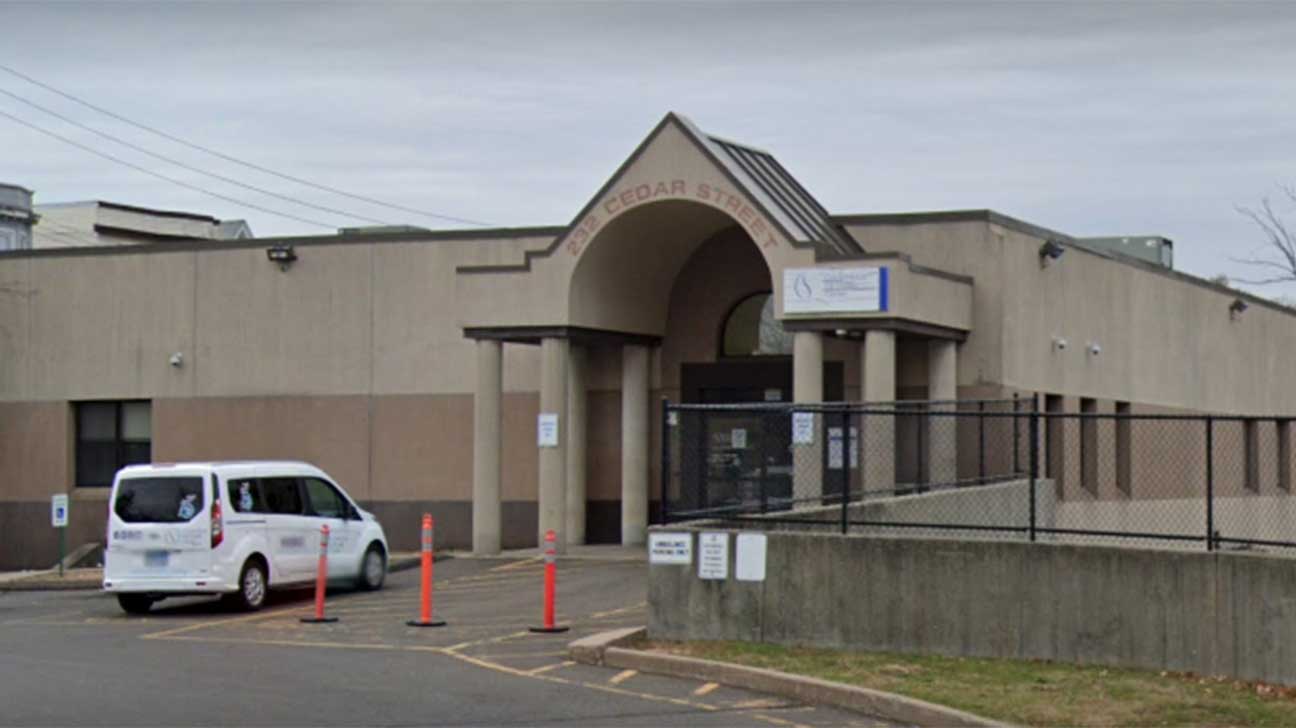
Cornell Scott Hill Health Center provides inpatient detox services and outpatient treatment for alcohol and drug addiction in New Haven, CT.
Cornell offers medication-assisted treatment using methadone or buprenorphine, yoga therapy, recovery coaching, and overdose prevention, including Narcan training.
The 26-bed, co-ed, inpatient detox facility provides full-time medical care to break physical dependence on alcohol or drugs.
Trusted features:
- Joint Commission accreditation
- client testimonials
- evidence-based treatment
Levels of care:
- residential treatment
- detoxification
- medication-assisted treatment (MAT)
Treatment services:
- Suboxone treatment
- counseling
- mental health treatment
- medication management
- psychiatric services
- group therapy
Payment options:
- private health insurance
- self-pay
Location and contact information:
232 Cedar St.
New Haven, CT 06519
(203) 503-3300
2. InterCommunity Health Care, Hartford, Connecticut
InterCommunity Health Care offers detox, residential, and outpatient addiction treatment services for Connecticut residents in Hartford, CT.
Residential programs here include 28 days of intensive treatment and 90 days focused on preparing clients for life outside of the rehab program.
There are also specialized services for clients facing a co-occurring mental health disorder such as depression or an anxiety disorder.
Trusted features:
- Joint Commission accreditation
- evidence-based treatment
Levels of care:
- residential treatment
- detoxification
- outpatient treatment
Treatment services:
- dual diagnosis treatment
- sober living
- pregnant women’s addiction treatment
- behavioral therapy
Payment options:
- free/low-cost
Location and contact information:
500 Blue Hills Ave.
6th Fl.
Hartford, CT 06112
(860) 569-5900
3. Midwestern Connecticut Council On Alcoholism (MCCA), Danbury, Connecticut
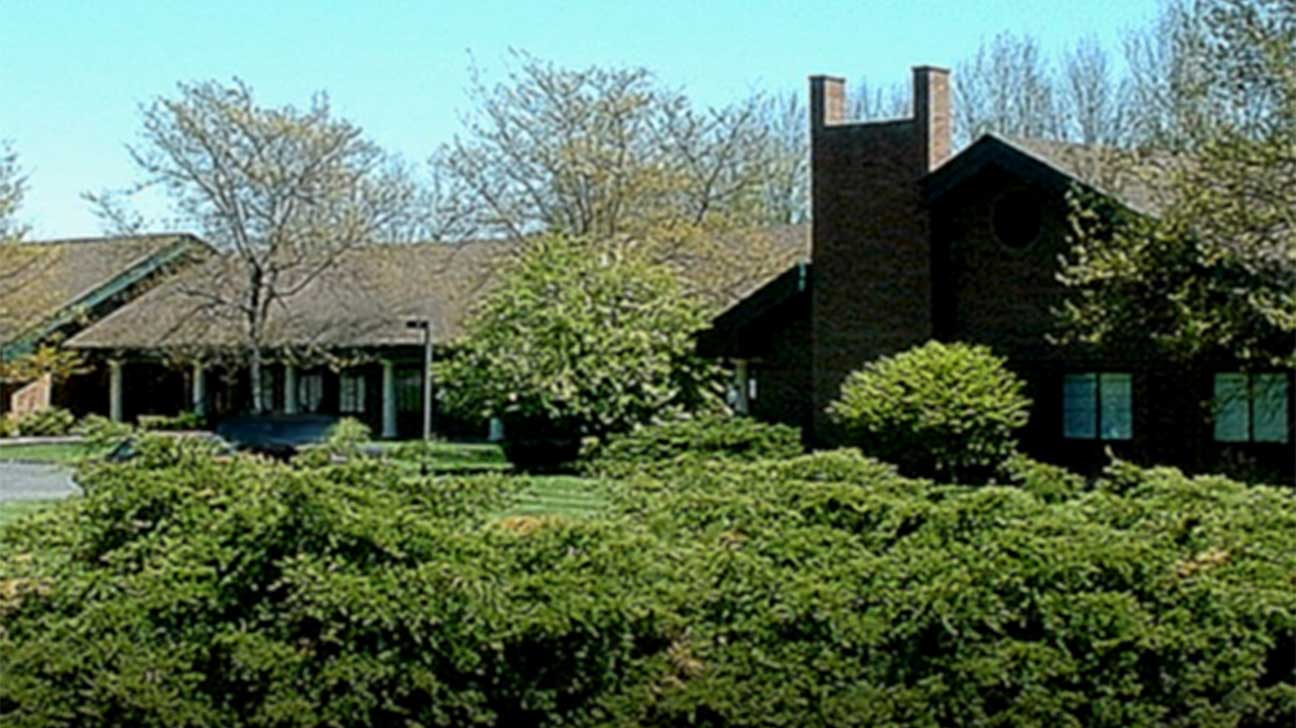
MCCA offers a variety of substance abuse treatment programs in Danbury, CT.
The high-intensity inpatient facility provides 24-hour evaluation and withdrawal management that may include medications and various forms of therapy.
There is also a state-licensed inpatient program for people experiencing post-acute withdrawal who require further medical monitoring after detoxification.
Trusted features:
- Commission on Accreditation of Rehabilitation Facilities (CARF) accreditation
- state licensure
- client testimonials
- evidence-based treatment
Levels of care:
- residential treatment
- outpatient treatment
- medication-assisted treatment (MAT)
Treatment services:
- relapse prevention
- gender-specific treatment
- Suboxone treatment
- counseling
- clinical services
Payment options:
- private health insurance
- Medicaid
- self-pay
Location and contact information:
38 Old Ridgebury Rd.
Danbury, CT 06810
(203) 792-4515
4. Mountainside Treatment Center, Canaan, Connecticut
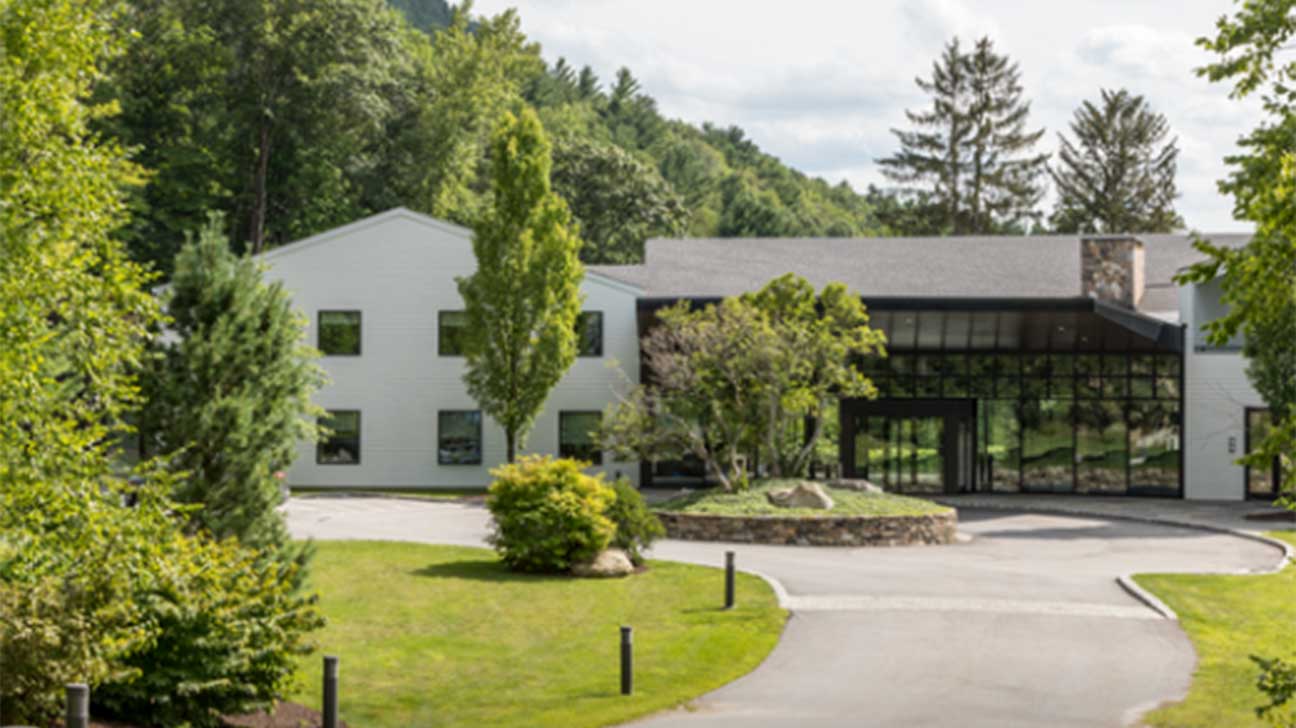
Mountainside Treatment Center offers detox, inpatient care, and outpatient treatment for substance abuse near Canaan, CT.
The intensive 35-night residential treatment program serves as a catalyst for clients to gain the tools needed to maintain long-term sobriety.
Some of the experiential therapies available at Mountainside include acupuncture, adventure therapy, exercise and moving therapies, and mindfulness practice.
Trusted features:
- Commission on Accreditation of Rehabilitation Facilities (CARF) accreditation
- Joint Commission accreditation
- LegitScript certification
Levels of care:
- inpatient treatment
- detoxification
- intensive outpatient program (IOP)
- outpatient treatment
- aftercare
Treatment services:
- case management
- cognitive behavioral therapy (CBT)
- adolescent treatment
- telehealth
Payment options:
- private health insurance
- self-pay
Location and contact information:
187 S. Canaan Rd.
Canaan, CT 06018
(860) 824-1397
5. New Era Rehab And Wellness, New Haven, Connecticut

New Era Rehab and Wellness offers a residential treatment program for alcohol and drug abuse in New Haven, CT.
This program services people of all ages dealing with anxiety disorders, phobias, post-traumatic stress disorder (PTSD), bipolar disorder, and other co-occurring conditions.
The intensive outpatient program lasts eight to 12 weeks and consists of groups made up of 12 participants.
Trusted features:
- Commission on Accreditation of Rehabilitation Facilities (CARF) accreditation
- Joint Commission accreditation
- client testimonials
Levels of care:
- intensive outpatient program (IOP)
- outpatient treatment
- medication-assisted treatment (MAT)
Treatment services:
- dual diagnosis treatment
- family therapy
- group therapy
- behavioral therapy
- relapse prevention
- case management
- anger management
Payment options:
- private health insurance
- self-pay
Location and contact information:
311 East St.
New Haven, CT 06511
(203) 344-0025
6. Recovery Network, Bridgeport, Connecticut
Recovery Network is a rehabilitation center that offers alcohol and drug addiction treatment in Bridgeport, CT.
The short-term residential program specializes in helping adult men with co-occurring mental health disorders.
There are also medication-assisted services for clients with opiate dependence.
Trusted features:
- Commission on Accreditation of Rehabilitation Facilities (CARF) accreditation
- state licensure
- client testimonials
Levels of care:
- residential treatment
- detoxification
- outpatient treatment
- medication-assisted treatment (MAT)
Treatment services:
- mental health treatment
- Suboxone treatment
- counseling
- group therapy
- family therapy
Payment options:
- private health insurance
- self-pay
Location and contact information:
1862 Commerce Dr.
Bridgeport, CT 06605
(203) 335-2173 x204
7. Rushford At Middletown, Middletown, Connecticut
Rushford at Middletown is a part of the Hartford Healthcare network of alcohol and drug addiction treatment centers in Middletown, CT.
Here, there is a 19-bed detox program and an extended residential facility that features 42 beds for adults. Both evidence-based and holistic therapies are available.
Trusted features:
- Joint Commission accreditation
- state licensure
- United Way partnership
Levels of care:
- residential treatment
- detoxification
- outpatient treatment
- medication-assisted treatment (MAT)
Treatment services:
- relapse prevention
- counseling
- Suboxone treatment
- dual diagnosis treatment
Payment options:
- private health insurance
- Medicaid
- self-pay
Location and contact information:
1250 Silver St.
Middletown, CT 06457
(860) 852-2102
8. Stonington Institute, North Stonington, Connecticut
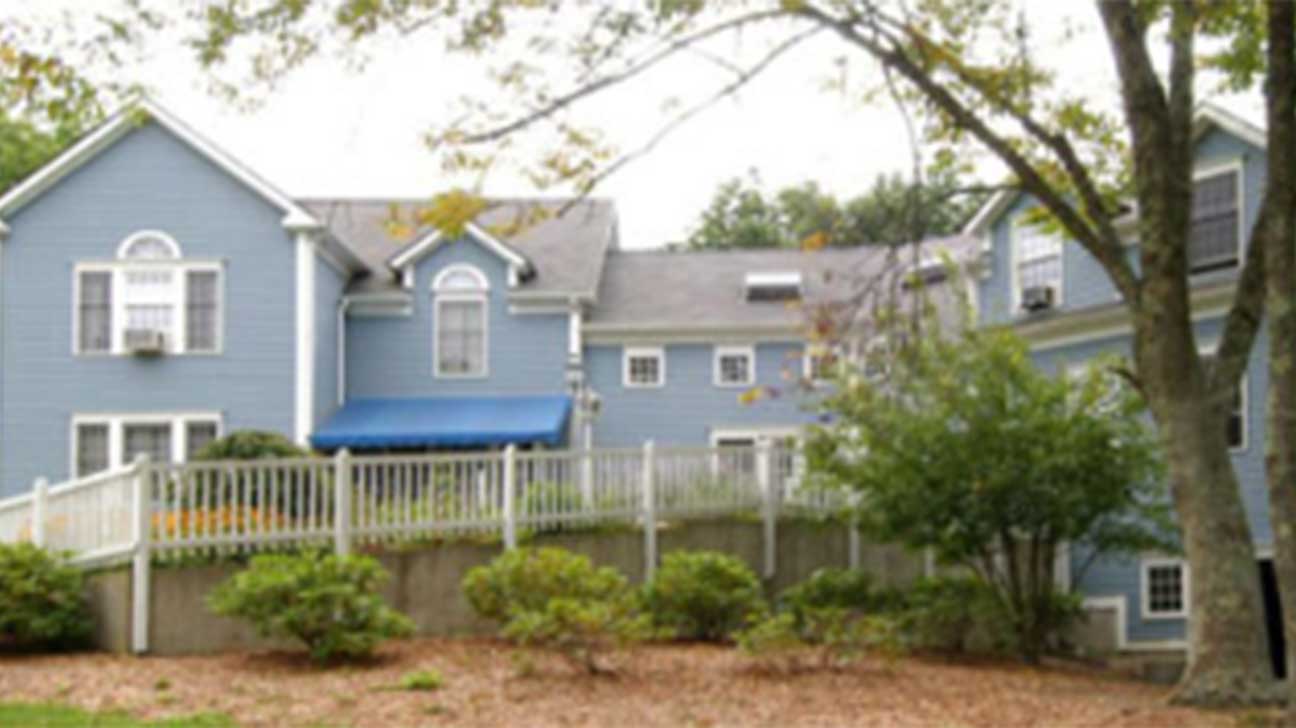
The Stonington Institute offers addiction treatment near Norwich, CT.
Treatment services include outpatient programs and behavioral health services for people who have a co-occurring mental illness.
There is also a 28-day residential rehab program for military personnel.
Trusted features:
- Joint Commission accreditation
- client testimonials
- evidence-based treatment
Levels of care:
- residential treatment
- detoxification
- partial hospitalization program (PHP)
- outpatient treatment
- medication-assisted treatment (MAT)
Treatment services:
- counseling
- holistic treatment
- Suboxone treatment
- dual diagnosis treatment
Payment options:
- private health insurance
- self-pay
Location and contact information:
75 Swantown Hill Rd.
North Stonington, CT 06359
(860) 445-3695
Addiction Treatment Services You May Find In Connecticut Rehab Centers
The following are some of the most common addiction recovery services found in Connecticut rehab centers.
Addiction treatment services may include:
- partial hospitalization programs (PHP)
- mental health services
- aftercare
- support groups
- IOP
- residential treatment
- dual diagnosis treatment for co-occurring disorders
- behavioral therapy
- holistic treatment plans
- inpatient treatment
- addiction services for young adults
- detoxification
- prescription drug addiction treatment programs
- sober living homes
- group therapy
- transitional living homes
What To Look For In A Drug And Alcohol Rehab Facility In Connecticut
Consider the following factors before choosing an addiction recovery program in Connecticut.
Factors indicating quality care include:
- accreditation from a national body such as the Commission on Accreditation of Rehabilitation Facilities (CARF) or the Joint Commission
- membership with a credible organization such as the American Association for the Treatment of Opioid Dependence (AATOD)
- certification from the Substance Abuse and Mental Health Services Administration (SAMHSA)
- testimonials from former clients for whom the treatment has worked
- high Google ratings
FAQs For Connecticut Substance Abuse Treatment Centers
If you would like to know more about addiction treatment providers in Connecticut, or rehab services in general, please see the frequently asked questions listed below.
How Long Do Inpatient Rehab Programs Last?
An average residential treatment program lasts about 30 days. If you need inpatient detox, these treatment programs are usually five to 10 days.
Long-term residential treatment can last 90 days or longer, depending on the needs of the client.
Do Rehab Centers In Connecticut Accept Health Insurance Coverage?
Yes, treatment providers in Connecticut often accept health insurance coverage for your addiction treatment program.
If private health insurance does not work for you, a recovery center may offer payment options such as Medicare or Connecticut Medicaid for substance use treatment.
Do Rehab Centers In Connecticut Offer Dual Diagnosis Treatment?
Yes, many addiction recovery programs include dual diagnosis treatment for co-occurring mental health disorders.
Mental health disorders can aggravate a substance use disorder, and it is often necessary to treat one in order to treat the other.
Are There LGBTQ-Friendly Rehab Centers In Connecticut?
Yes, there are LGBTQ-friendly rehab centers in Connecticut.
Treatment programs that are geared toward people who identify as LGBTQ are important because of the higher substance abuse rates found in that population.
Do Rehab Centers In Connecticut Offer Outpatient Treatment Options?
Yes. While inpatient treatment may be necessary for a variety of circumstances, outpatient treatment is a viable option.
Connecticut treatment centers that offer outpatient treatment attract people who want to remain at home while attending an addiction treatment program.
Find Substance Use Disorder Treatment Today
You or your loved one can begin your journey to recovery today at a drug rehab center. Reach out to DetoxRehabs.net for more information.
- Ansonia
- Bloomfield
- Branford
- Bridgeport
- Bristol
- Danbury
- Danielson
- Darien
- Dayville
- Derby
- East Hartford
- Enfield
- Fairfield
- Farmington
- Glastonbury
- Greenwich
- Groton
- Hamden
- Hartford
- Manchester
- Mansfield Center
- Meriden
- Middletown
- Milford
- New Britain
- New Canaan
- New Haven
- New London
- New Milford
- Newington
- North Haven
- Norwalk
- Norwich
- Plainville
- Putnam
- Sharon
- Stafford Springs
- Stamford
- Stratford
- Torrington
- Vernon Rockville
- Waterbury
- West Hartford
- West Haven
- Westport
- Willimantic
- Benefits.gov — Connecticut Medicaid
https://www.benefits.gov/benefit/1622 - National Institute on Drug Abuse (NIDA) — Principles of Drug Addiction Treatment: A Research-Based Guide (Third Edition)
https://nida.nih.gov/sites/default/files/podat-3rdEd-508.pdf - Substance Abuse and Mental Health Services Administration (SAMHSA) — Find treatment
https://findtreatment.gov/
