
People in need of addiction treatment in Idaho have an array of recovery centers to choose from. These facilities may provide evidence-based or holistic therapies.
Idaho residents have access to treatment services such as medication-assisted treatment (MAT), behavioral therapy, detox, and aftercare.
List Of Idaho Detox And Inpatient Rehabilitation Facilities
Below is a list of Idaho drug rehab centers. Each treatment facility on this list has been vetted by considering its qualifications in regard to safe, effective treatment.
Top marks of quality may include:
- accreditations
- Google ratings
- client testimonials
1. Allumbaugh House, Boise, Idaho
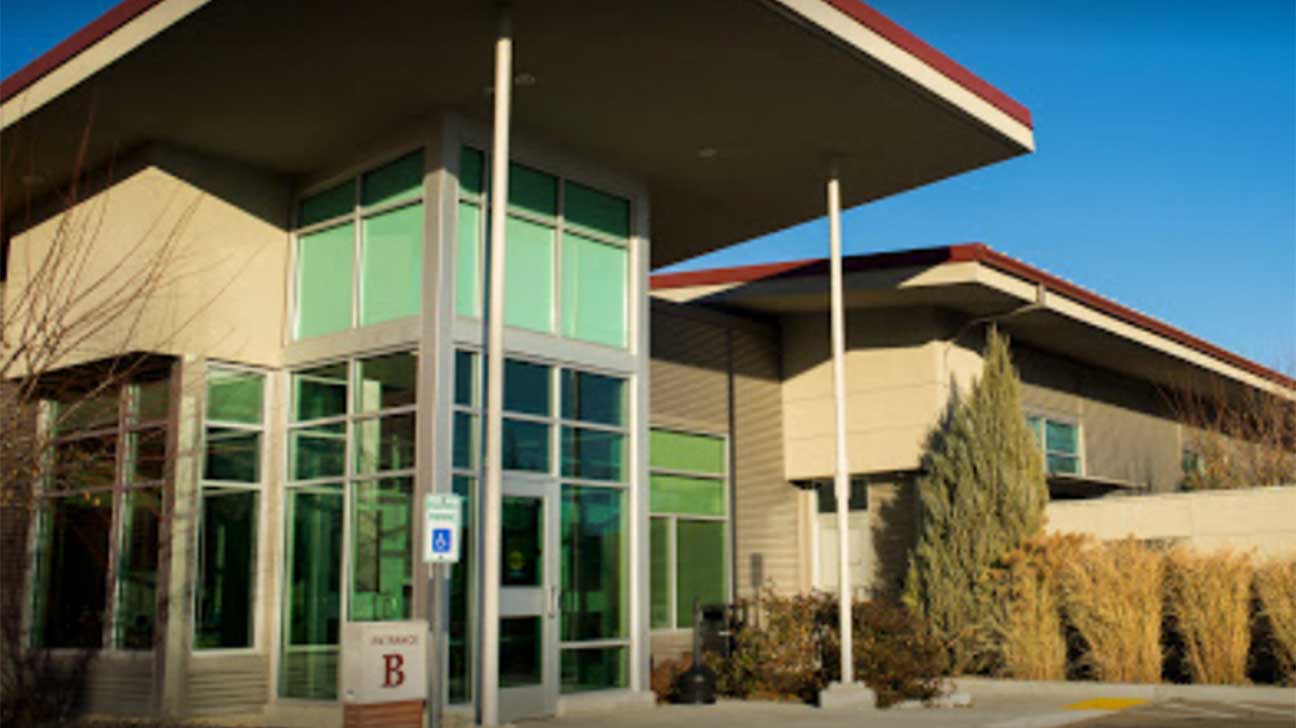
The Allumbaugh House is a mental health crisis and medical detox center for people who want to begin addiction recovery in Boise, ID.
Detox at the Allumbaugh House is a short-term acute treatment service for adults 18 years or older. To be accepted for treatment, you must have received an assessment or referral.
Trusted features:
- 4.7-star Google rating
- client testimonials
- evidence-based treatment
Levels of care:
- residential treatment
- detoxification
- aftercare
Treatment services:
- 12-step recovery groups
- family therapy
- clinical services
- cognitive behavioral therapy (CBT)
- trauma-informed therapy
- mental health treatment
Payment options:
- private health insurance
- Medicare
- Medicaid
- self-pay
Location and contact information:
400 N. Allumbaugh St.
Boise, ID 83704
(208) 377-9669
2. American Health Recovery And Detox, Idaho Falls, Idaho
American Health Recovery And Detox offers medical detoxification and addiction treatment in Idaho Falls, ID.
Clients of American Health receive an assessment and are given the appropriate form of detox followed by either an intensive outpatient program (IOP) or regular outpatient treatment.
FDA-approved medications such as Suboxone are utilized to help clients combat withdrawal symptoms and cravings.
Trusted features:
- Health Resources and Services Administration (HRSA) awardee
- client testimonials
- 3.7-star Google rating
Levels of care:
- residential treatment
- partial hospitalization program (PHP)
- outpatient treatment
- medication-assisted treatment (MAT)
Treatment services:
- psychiatric services
- counseling
- telehealth
- medication management
- behavioral therapy
- Suboxone treatment
Payment options:
- private health insurance
- self-pay
Location and contact information:
1810 W. Broadway St.
Idaho Falls, ID 83402
(208) 200-5300
3. Moonlight Mountain Recovery, Pocatello, Idaho
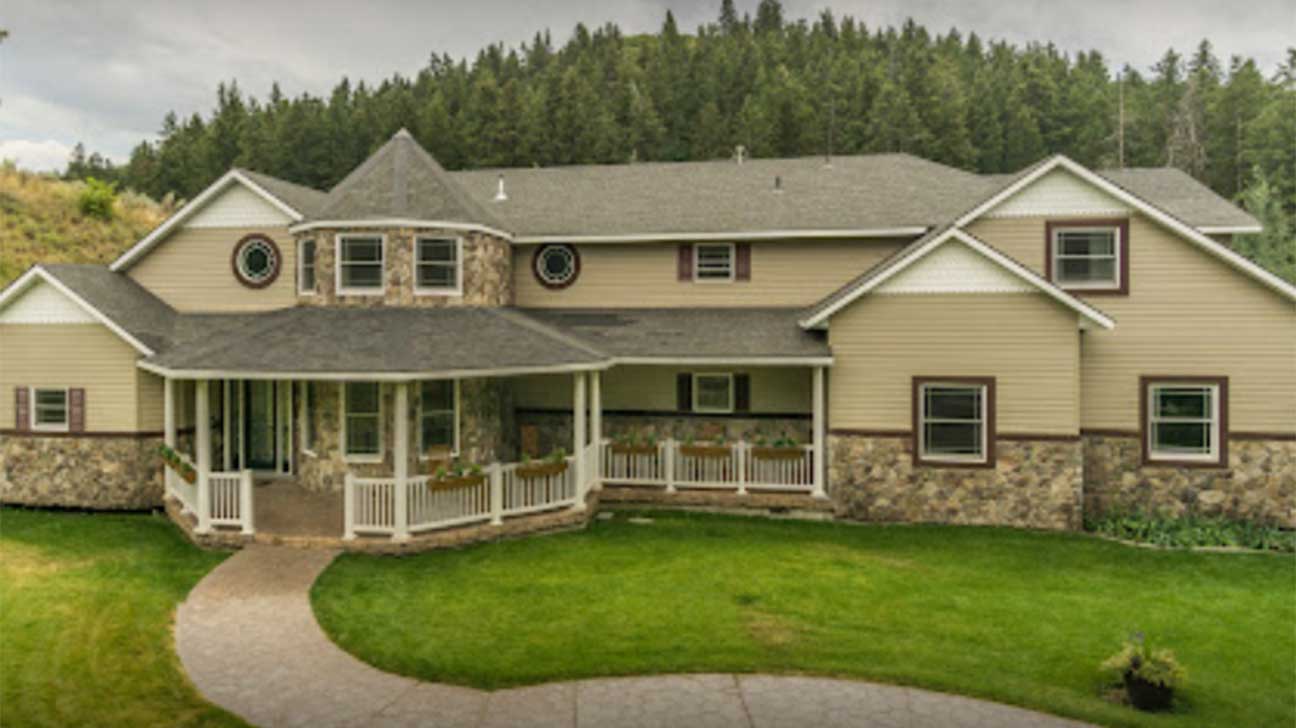
Moonlight Mountain Recovery provides drug and alcohol treatment in Pocatello, ID.
Some of the top-tier amenities available at Moonlight Mountain include a fitness center, movie theater, lush outdoor areas, private rooms, and more.
Trusted features:
- Joint Commission accreditation
- client testimonials
- 4.9-star Google rating
Levels of care:
- residential treatment
- detoxification
- outpatient treatment
Treatment services:
- group therapy
- holistic treatment
- cognitive behavioral therapy (CBT)
- dual diagnosis treatment
Payment options:
- private health insurance
- Medicaid
- TRICARE
Location and contact information:
5230 W. Moonlight Mine Rd.
Pocatello, ID 83201
(208) 505-9990
4. North Idaho Detox, Post Falls, Idaho
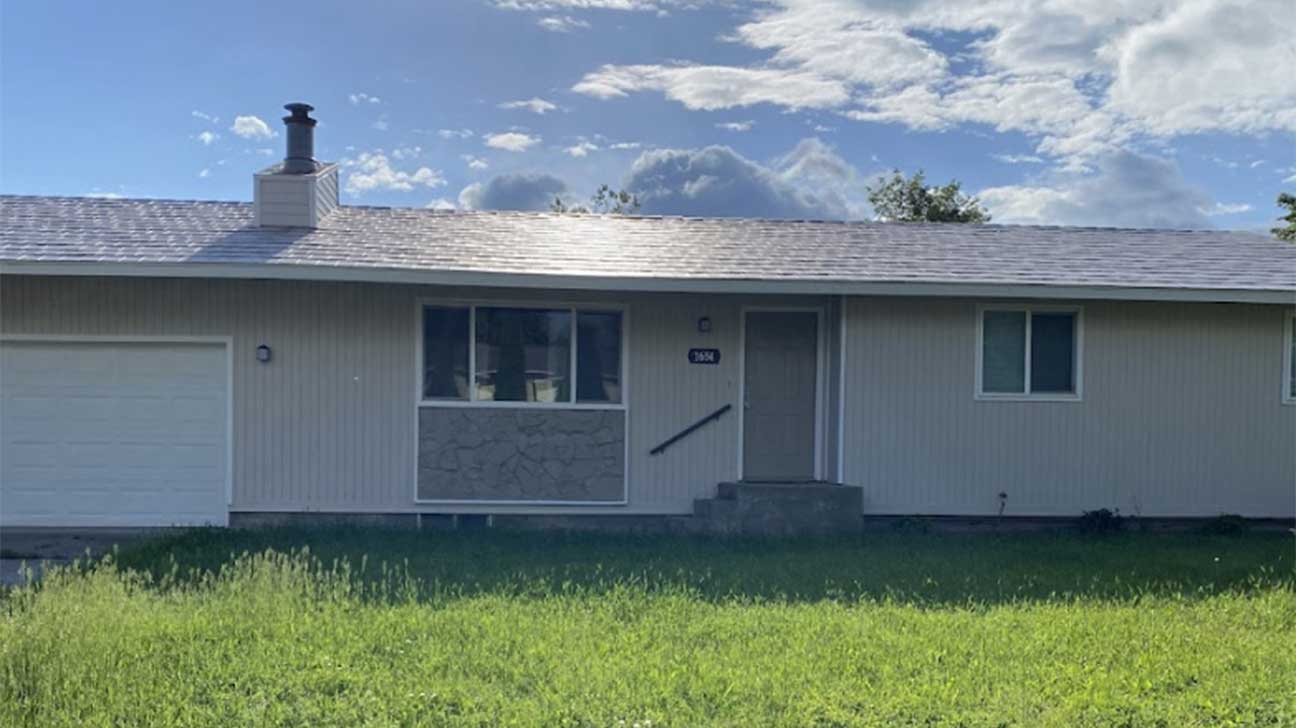
North Idaho Detox is a detox center for alcohol addiction and drug use near Coeur D’Alene, ID.
With 24-hour medical monitoring, North Idaho Detox provides its services in a home-like environment to promote client comfort.
Trusted features:
- LegitScript certification
- client testimonials
- 5-star Google rating
Levels of care:
- detoxification
- outpatient treatment
Treatment services:
- sober living
- counseling
Payment options:
- private health insurance
- self-pay
Location and contact information:
1654 E. Velora Dr.
Post Falls, ID 83854
(208) 918-3835
5. Northpoint Recovery, Boise, Idaho
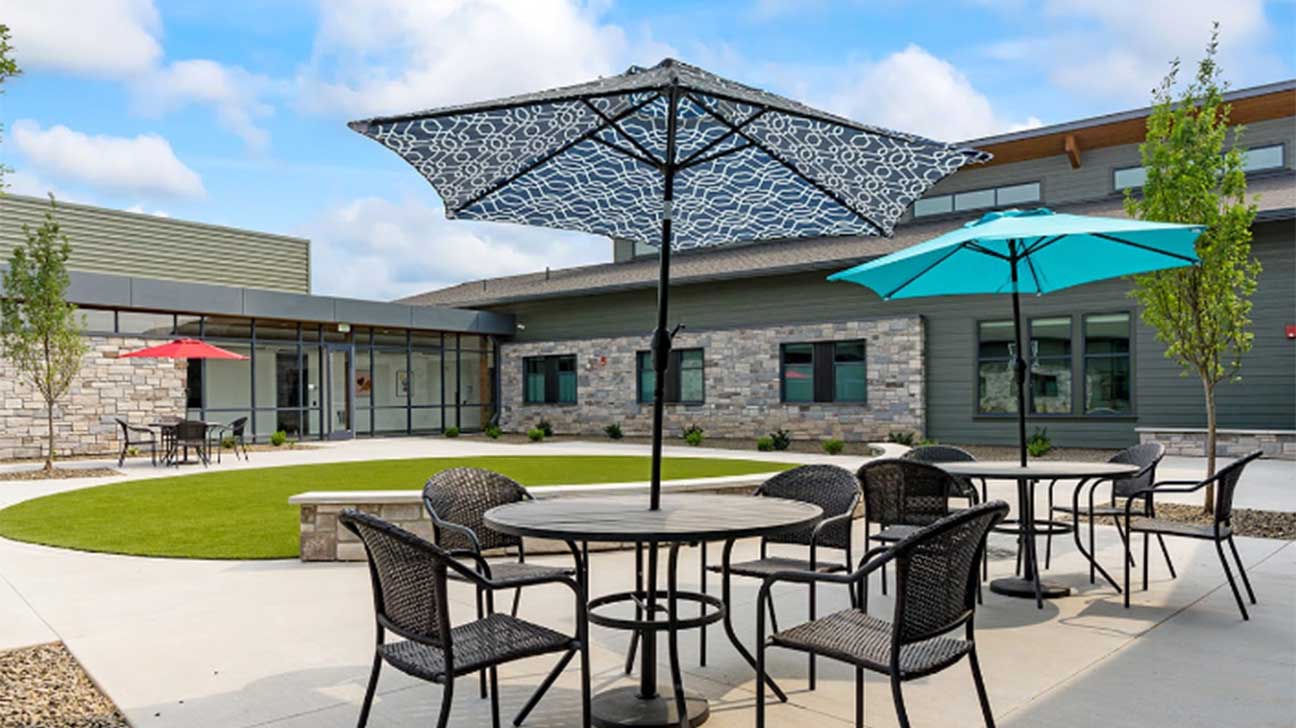
Northpoint Recovery provides addiction treatment in Boise, ID, using multiple levels of care and evidence-based or holistic therapies.
There are specialized services at Northpoint for LGBTQ+ clients, young adults, women, men, and people with a co-occurring mental health disorder.
Trusted features:
- Joint Commission accreditation
- LegitScript certification
- client testimonials
Levels of care:
- residential treatment
- detoxification
- aftercare
Treatment services:
- behavioral therapy
- group therapy
- dual diagnosis treatment
- LGBTQ+ services
- adolescent treatment
Payment options:
- private health insurance
Location and contact information:
2335 E. State Ave.
Meridian, ID 83642
(208) 895-7950
6. Port Of Hope, Nampa, Idaho
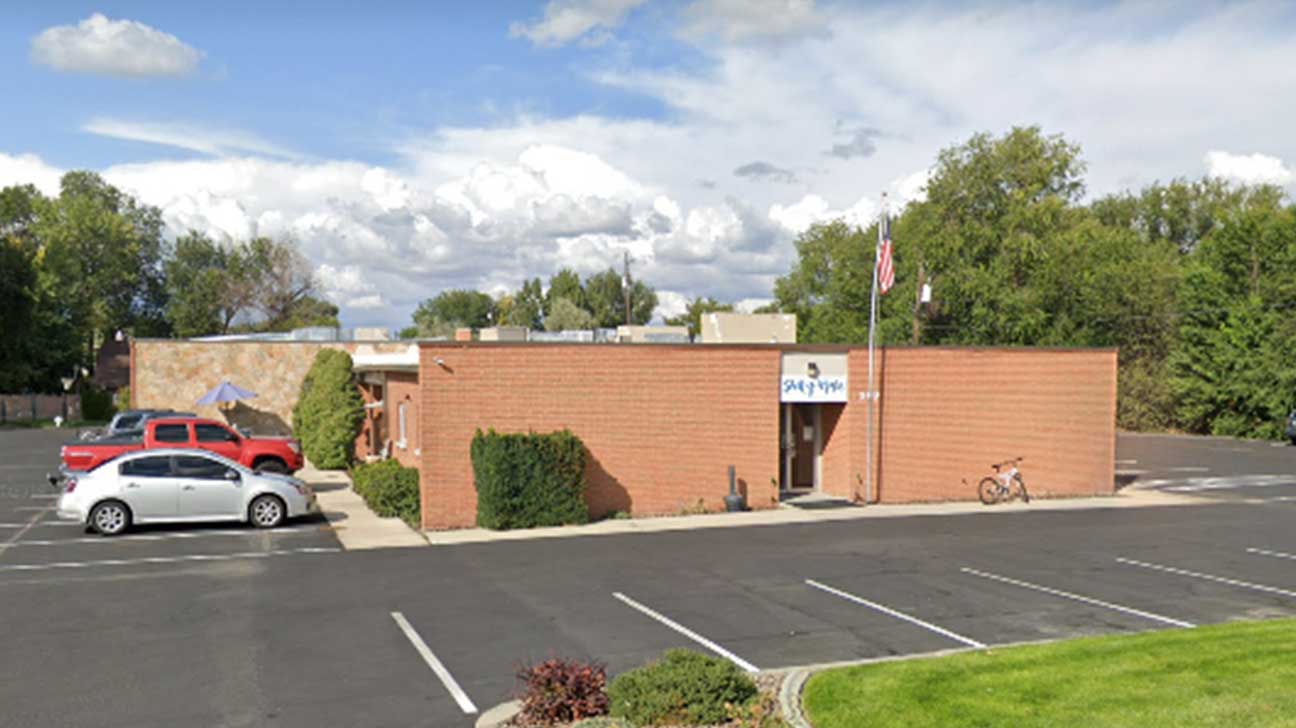
Port of Hope is a non-profit drug rehab center that offers non-medical detox and addiction treatment in Nampa, ID.
Treatment services include “social” detox, with access to medical treatment nearby if necessary, and a residential program that lasts up to 90 days.
Trusted features:
- client testimonials
- evidence-based treatment
- 3.4-star Google rating
Levels of care:
- residential treatment
- detoxification
- intensive outpatient program (IOP)
Treatment services:
- counseling
- group therapy
- DUI treatment programs
- drug testing
Payment options:
- Medicaid
Location and contact information:
508 E. Florida Ave.
Nampa, ID 83686
(208) 463-0118
7. Walker Center, Gooding, Idaho
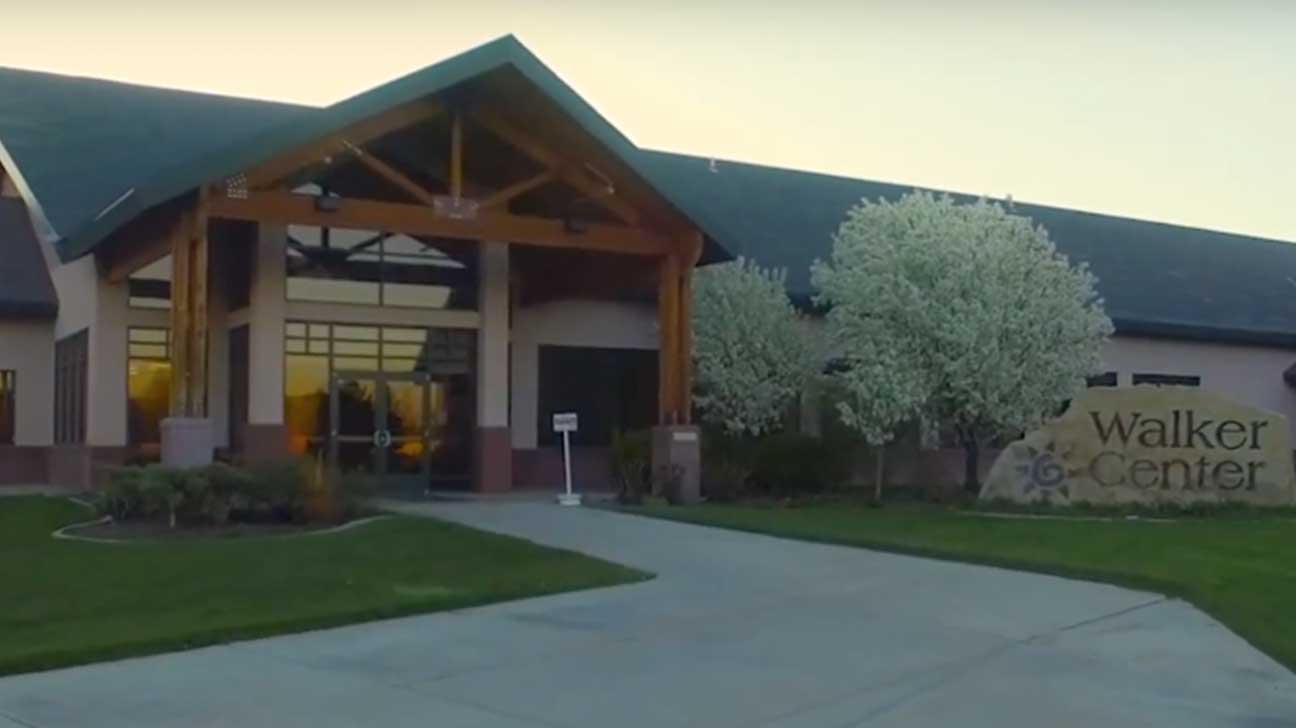
The Walker Center is an alcohol and drug treatment center in Gooding, ID that offers an inpatient addiction program that lasts eight weeks.
The outpatient program requires a three-to-12-hour-a-week commitment and lasts up to three hours per day, three to four days per week.
Trusted features:
- Commission on Accreditation of Rehabilitation Facilities (CARF) accreditation
- LegitScript certification
- client testimonials
Levels of care:
- residential treatment
- outpatient treatment
Treatment services:
- counseling
- gender-specific treatment
- group therapy
- cognitive behavioral therapy (CBT)
- family therapy
Payment options:
- private health insurance
- TRICARE
Location and contact information:
605 11th Ave. East
Gooding, ID 83330
(208) 934-8461
8. Zelus Recovery, Meridian, Idaho
Zelus Recovery offers addiction treatment in Meridian, ID.
People with co-occurring disorders such as addiction and depression, schizophrenia, an anxiety disorder, or post-traumatic stress disorder can get dual diagnosis treatment here.
Trusted features:
- Joint Commission accreditation
- LegitScript certification
- client testimonials
Levels of care:
- detoxification
- partial hospitalization program (PHP)
- intensive outpatient program (IOP)
- aftercare
Treatment services:
- gender-specific treatment
- trauma-informed therapy
- adolescent treatment
- telehealth
- relapse prevention
- family therapy
- group therapy
- cognitive behavioral therapy (CBT)
- dialectical behavior therapy (DBT)
- dual diagnosis treatment
Payment options:
- private health insurance
- self-pay
Location and contact information:
2020 S. Eagle Rd.
Meridian, ID 83642
(208) 518-0797
Addiction Treatment Services You May Find In Idaho Rehab Centers
Idaho residents have a wide range of alcohol and drug treatment services available to them.
Behavioral health services in Idaho may include:
- outpatient treatment plans
- relapse prevention
- IOP
- support groups
- detoxification
- MAT
- behavioral therapy
- family therapy
- dual diagnosis treatment
- group therapy
- residential treatment
- aftercare
- general healthcare services
What To Look For In A Drug And Alcohol Rehab Facility In Idaho
Consider the following factors before selecting a substance abuse treatment center for yourself or a loved one.
Marks of quality at an Idaho recovery center may include:
- certifications from credible organizations such as LegitScript or state-run governing bodies such as the Department of Health and Welfare
- client testimonials or high ratings on Google
- payment options such as acceptance of insurance plans, self-payment, or a sliding fee scale based on income
- memberships with national organizations such as the America Association for the Treatment of Opioid Dependence (AATOD)
- accreditation through a trustworthy body such as the Joint Commission or CARF
- multiple levels of care
FAQs About Idaho Substance Abuse Treatment Centers
The useful information below may help you find a recovery center in Idaho that works for you.
How Long Do Inpatient Rehab Programs Last?
That depends on the type of inpatient treatment you are receiving. Inpatient detox can last 4 to 10 days depending on the severity of the substance use disorder.
A standard residential treatment program can last around 30 days. Long-term residential treatment can last for three months to a year.
Are There Free Drug Rehab Centers In Idaho?
Yes, there are free addiction treatment centers in Idaho. These facilities play an essential role in ensuring anyone can receive treatment regardless of income level.
Do All Idaho Addiction Treatment Centers Accept Medicaid Health Insurance?
Yes, most rehab facilities accept government-run insurance programs such as Medicare and Idaho Medicaid for addiction treatment.
Medicaid health insurance offers help for people who cannot afford private health insurance or are unemployed, pregnant, or disabled.
Do All Idaho Rehab Centers Offer Detoxification Services?
No, not all of them. You will typically find detoxification services at inpatient treatment facilities or at outpatient detox centers.
Find Substance Use Disorder Treatment Today
Reach out to DetoxRehabs.net today for more information about drug and alcohol treatment options.
- Blackfoot
- Boise
- Bonners Ferry
- Burley
- Caldwell
- Coeur D Alene
- Driggs
- Emmett
- Fruitland
- Garden City
- Gooding
- Grangeville
- Hailey
- Idaho Falls
- Kellogg
- Lewiston
- Meridian
- Montpelier
- Moscow
- Mountain Home
- Nampa
- Orofino
- Payette
- Pocatello
- Post Falls
- Preston
- Priest River
- Rathdrum
- Rexburg
- Rigby
- Salmon
- Sandpoint
- Soda Springs
- Sugar City
- Twin Falls
- Wallace
- Idaho Department of Health and Welfare — Medicaid & Health
https://healthandwelfare.idaho.gov/services-programs/medicaid-health - National Institute on Drug Abuse (NIDA) — Principles of Drug Addiction Treatment: A Research-Based Guide (Third Edition)
https://nida.nih.gov/sites/default/files/podat-3rdEd-508.pdf - Substance Abuse and Mental Health Services Administration (SAMHSA) — Find treatment
https://findtreatment.gov/
