
Mississippi is home to several drug and alcohol rehab programs that can help residents achieve lasting sobriety.
The best way to help someone who has an alcohol or drug addiction is by getting them treatment at an inpatient drug rehab center that provides medical detox services, therapy, and counseling.
5 Best Drug Rehab Centers In Mississippi
If you or a loved one is searching for an addiction recovery program in the state of Mississippi, the reputable treatment facilities below may help you narrow your search.
Trusted features of these facilities may include:
- accreditations
- Google ratings
- client testimonials
1. Alliance Health Center, Meridian, Mississippi
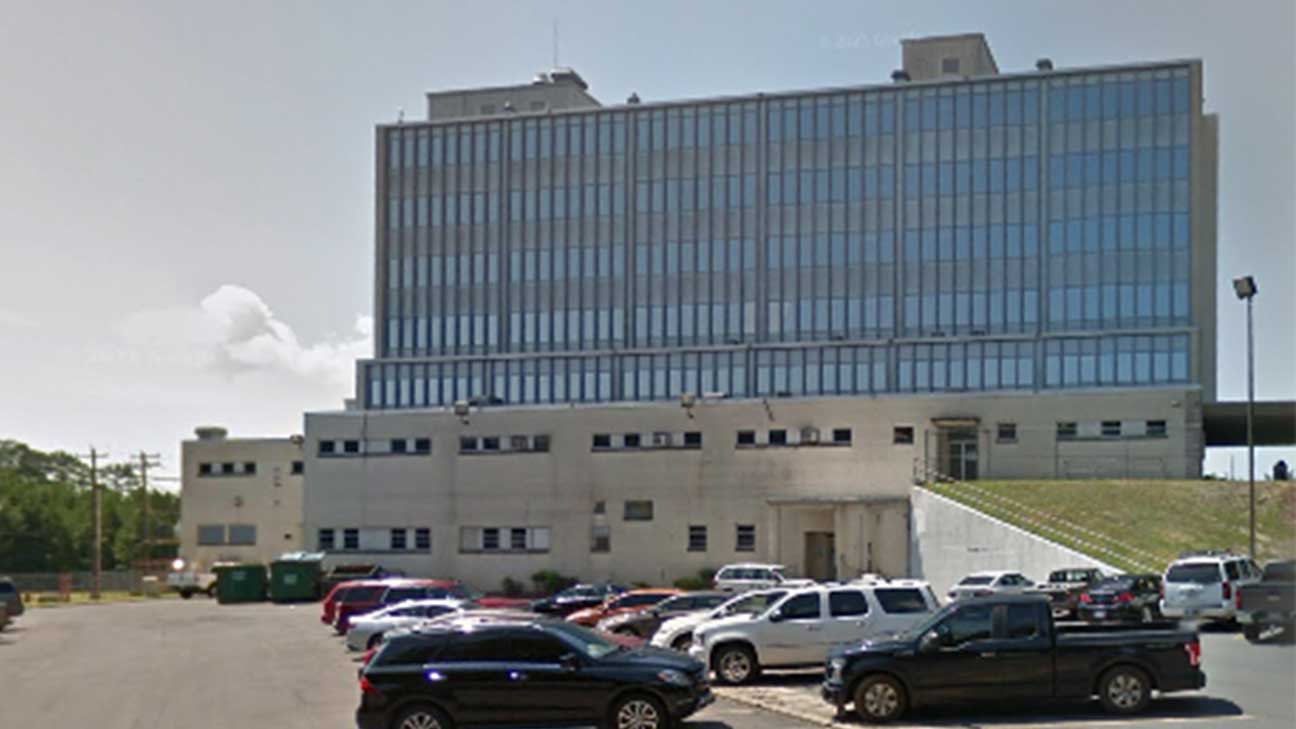
The Alliance Health Center is a highly accredited addiction treatment facility for adults and adolescents.
There are also residential programs for adolescent boys with a conduct disorder or who have committed a sexual offense.
The intensive outpatient program takes place three times a week, day or evening.
Trusted features:
- Joint Commission accreditation
- client testimonials
- licensed staff
Levels of care:
- residential treatment
- outpatient treatment
Treatment services:
- dual diagnosis treatment
- counseling
- adolescent treatment
- group therapy
- trauma-informed therapy
Payment options:
- self-pay
Location and contact information:
5000 Hwy. 39 N.
Meridian, MS 39301
(601) 483-6211
Learn more about Alliance Health Center.
2. G.V. Montgomery Veterans Affairs Medical Center, Jackson, Mississippi
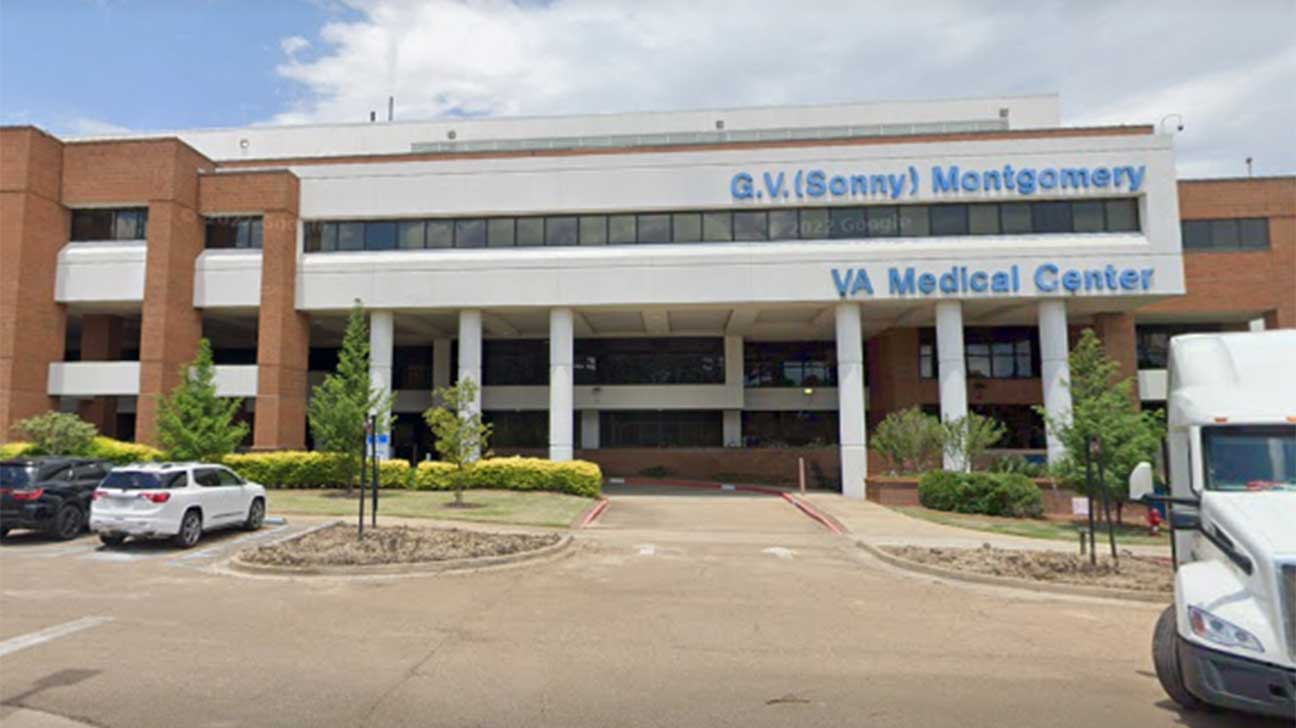
The G.V. Montgomery Veterans Affairs Medical Center is dual-accredited by The Joint Commission and the Commission on Accreditation of Rehabilitation Facilities (CARF).
The medical center provides inpatient and outpatient treatment, inpatient detoxification services, and short-term residential treatment for military members and eligible veterans.
Trusted features:
- 3.2-star Google rating
- client testimonials
- licensed staff
- evidence-based treatment
Levels of care:
- residential treatment
- detoxification
- intensive outpatient program (IOP)
- medication-assisted treatment (MAT)
- aftercare
Treatment services:
- dual diagnosis treatment
- counseling
- LGBTQ+ services
- group therapy
- clinical services
Payment options:
- free/low-cost
Location and contact information:
1500 E. Woodrow Wilson Dr.
Jackson, MS 39216
(601) 362-4471
3. Harbor House Of Jackson, Byram, Mississippi
The Harbor House of Jackson is a CARF-accredited Mississippi drug treatment center providing short-term residential treatment and residential detox programs.
There are specialized programs at Harbor House of Jackson for pregnant and parenting women with drug or alcohol addiction.
Trusted features:
- Commission on Accreditation of Rehabilitation Facilities (CARF) accreditation
- client testimonials
- evidence-based treatment
Levels of care:
- residential treatment
- medication-assisted treatment (MAT)
Treatment services:
- counseling
- group therapy
- pregnant women’s addiction treatment
- 12-step recovery groups
Payment options:
- free/low-cost
Location and contact information:
5354 I-55 S. Frontage Rd. E.
Byram, MS 39272
(601) 371-7335
Learn more about Harbor House Of Jackson.
4. Marian Hill Chemical Dependency Center, Vicksburg, Mississippi
The Marian Hill Chemical Dependency Center offers an array of evidence-based treatment options, including medical detox and medication-assisted treatment.
There are specialized services at this facility for pregnant women, veterans, people who have experienced domestic violence, people with HIV or AIDS, and adolescents.
Trusted features:
- Joint Commission accreditation
- state licensure
- licensed staff
- evidence-based treatment
Levels of care:
- residential treatment
- detoxification
- medication-assisted treatment (MAT)
Treatment services:
- methadone treatment
- relapse prevention
- 12-step recovery groups
- counseling
- veterans treatment
- trauma-informed therapy
- dual diagnosis treatment
Payment options:
- private health insurance
- Medicaid
- Medicare
- self-pay
Location and contact information:
1111 N. Frontage Rd.
Vicksburg, MS 39180
(601) 883-3611
Learn more about Marian Hill Chemical Dependency Center.
5. Mississippi State Hospital, Whitfield, Mississippi
The Mississippi State Hospital is located on a 350-acre campus 15 miles southeast of Jackson.
The hospital provides adult acute and adolescent substance use services. Some of the evidence-based services available here include medication-assisted treatment.
Some of the medications offered in the program include Suboxone and methadone to help manage withdrawal and cravings.
Trusted features:
- Joint Commission accreditation
- state licensure
- client testimonials
- evidence-based treatment
Levels of care:
- residential treatment
- detoxification
- medication-assisted treatment (MAT)
Treatment services:
- counseling
- group therapy
- mental health treatment
- adolescent treatment
- psychiatric services
Payment options:
- self-pay
Location and contact information:
3550 Hwy. 468 W.
Whitfield, MS 39193
(601) 351-8000
Learn more about Mississippi State Hospital.
Mississippi Substance Abuse And Addiction Rates
There are high rates of prescription drug abuse in Mississippi, including prescription opioid abuse. Intravenous drug use is especially high in the state of Mississippi.
According to the Centers for Disease Control and Prevention (CDC), there are currently 220 counties in Mississippi that have a high risk of HIV and hepatitis C outbreaks because intravenous drug use is so prevalent.
Other facts about Mississippi drug use rates include:
- A total of 1,735 Mississippians were admitted in 2022 to community mental health centers for substance use disorders.
- Opioids were listed as the primary diagnosis for 567 of the 1,735 unique clients admitted in 2022.
- Total overdose deaths in Mississippi in 2022 reached 358.
Choosing A Drug And Alcohol Rehab Center In Mississippi
To make sure that an addicted person gets safe, effective treatment that can help them stay on the path to sobriety, it is important that they find a treatment provider with certain key qualities.
Some of these important attributes include:
- licensing and accreditations from state agencies and other recognized oversight committees, like The Joint Commission
- addiction treatment counselors and other staff members who have an extensive amount of education and experience in treating addictions
- evidence-based programs and services at the outpatient or inpatient treatment level
- treatment plans that are covered by health insurance
- flexibility in how long a client can stay in treatment
Addiction Treatment Options In Mississippi After Detox
Before heading to treatment, it’s important to look at the recovery centers you’re considering to determine if they have a rehab program that fits your needs.
Treatment options may include:
- medication-assisted treatment (MAT) to reduce cravings and withdrawal symptoms
- detox programs to help you safely withdraw from drugs and alcohol
- inpatient rehab programs
- transitional living programs to reduce the likeliness of patients becoming homeless after treatment
- aftercare and alumni services that offer continuing support after treatment
- individual, group, and family counseling services
- sober living programs
- intensive outpatient programs (IOP)
- support groups for people with alcohol addiction
- multiple levels of care including outpatient rehab programs
- general healthcare services
- telehealth helplines
- wellness services
- cognitive behavioral therapy (CBT)
- partial hospitalization programs (PHP)
- treatment programs for young adults
- dual diagnosis treatment for co-occurring mental health disorders
FAQs About Addiction Treatment Centers In Mississippi
The frequently asked questions listed below may help you find a Mississippi rehab center that fits your needs.
Are There Free Rehab Centers In Mississippi?
Yes, there are several free drug treatment facilities in Mississippi that are funded through state insurance programs, donations, or government grants.
Keep in mind that free Mississippi rehab facilities may have a waitlist due to high demand.
Do Rehab Facilities In Mississippi Accept Medicaid Insurance?
Most facilities accept private health insurance coverage, Medicare, or Mississippi Medicaid insurance for substance use treatment.
Contact the rehab facility of your choice to learn more about their payment options and the cost of treatment.
Are There LGBTQ-Friendly Rehab Centers In Mississippi?
No reputable drug rehab program will discriminate against someone based on their sexual preference or gender identity.
There are a number of LGBTQ-friendly drug and alcohol treatment centers throughout the United States, including Mississippi.
Find Substance Abuse Treatment Today
If you or a loved one are ready to begin the first step to recovery by entering a drug rehab program, it may help to have access to resources and information.
Contact DetoxRehabs.net for more helpful tips on addiction recovery.
- Amory
- Batesville
- Bay Saint Louis
- Biloxi
- Booneville
- Brandon
- Brookhaven
- Carthage
- Clarksdale
- Collins
- Columbia
- Columbus
- Corinth
- Decatur
- Forest
- Gautier
- Greenville
- Greenwood
- Grenada
- Gulfport
- Hattiesburg
- Holly Springs
- Houston
- Iuka
- Jackson
- Kosciusko
- Laurel
- Leakesville
- Louisville
- Lucedale
- Mccomb
- Mendenhall
- Meridian
- Natchez
- Newton
- Oxford
- Pascagoula
- Philadelphia
- Pontotoc
- Port Gibson
- Quitman
- Raleigh
- Richton
- Ridgeland
- Rolling Fork
- Senatobia
- Starkville
- Tupelo
- Tutwiler
- Vancleave
- Vicksburg
- Water Valley
- Waynesboro
- West Point
- Whitfield
- Wiggins
- AMFAR Opioid & Health Indicators Database—Mississippi Opioid Epidemic
https://opioid.amfar.org/MS - Centers for Disease Control and Prevention—Stats of the State of Mississippi
https://www.cdc.gov/nchs/pressroom/states/mississippi/mississippi.htm - Mississippi State Department of Health—Mississippi Morbidity Report
https://msdh.ms.gov/msdhsite/_static/resources/8289.pdf - Substance Abuse and Mental Health Services Administration—Treatment Locator
https://findtreatment.samhsa.gov/locator
