
There are several drug and alcohol detox centers in Arkansas that provide residents with a solid start to recovery.
Addiction treatment services may include behavioral therapy, medication-assisted treatment (MAT), and dual diagnosis treatment for co-occurring mental health disorders.
List Of Arkansas Detox And Rehabilitation Facilities
The following drug rehab centers in Arkansas were chosen based on their top qualifications.
Marks of quality care may include:
- accreditations
- Google ratings
- client testimonials
1. Baptist Health Recover, Little Rock, Arkansas
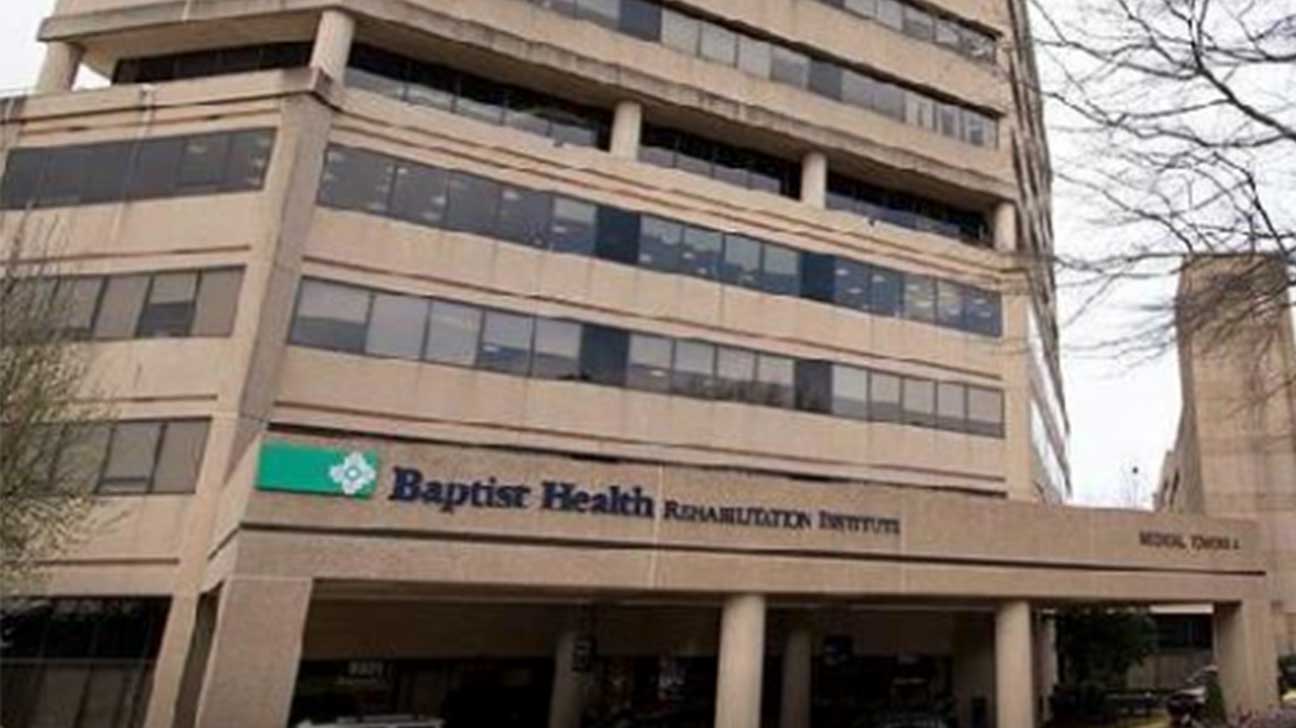
Baptist Health Rehabilitation Institute is an inpatient drug and alcohol treatment program in Little Rock, AR.
Detox services are offered for substances such as opioids, alcohol, and benzodiazepine drugs.
Marriage counseling, stress management, basic life skills, financial counseling, and spiritual counseling are also available here.
Trusted features:
- client testimonials
- evidence-based treatment
- licensed staff
Levels of care:
- detoxification
- outpatient treatment
Treatment services:
- counseling
- mental health treatment
- psychiatric services
- life skills education
Payment options:
- private health insurance
- self-pay
Location and contact information:
9501 Baptist Health Dr.
Little Rock, AR 72205
(501) 202-2893
2. Incura, North Little Rock, Arkansas
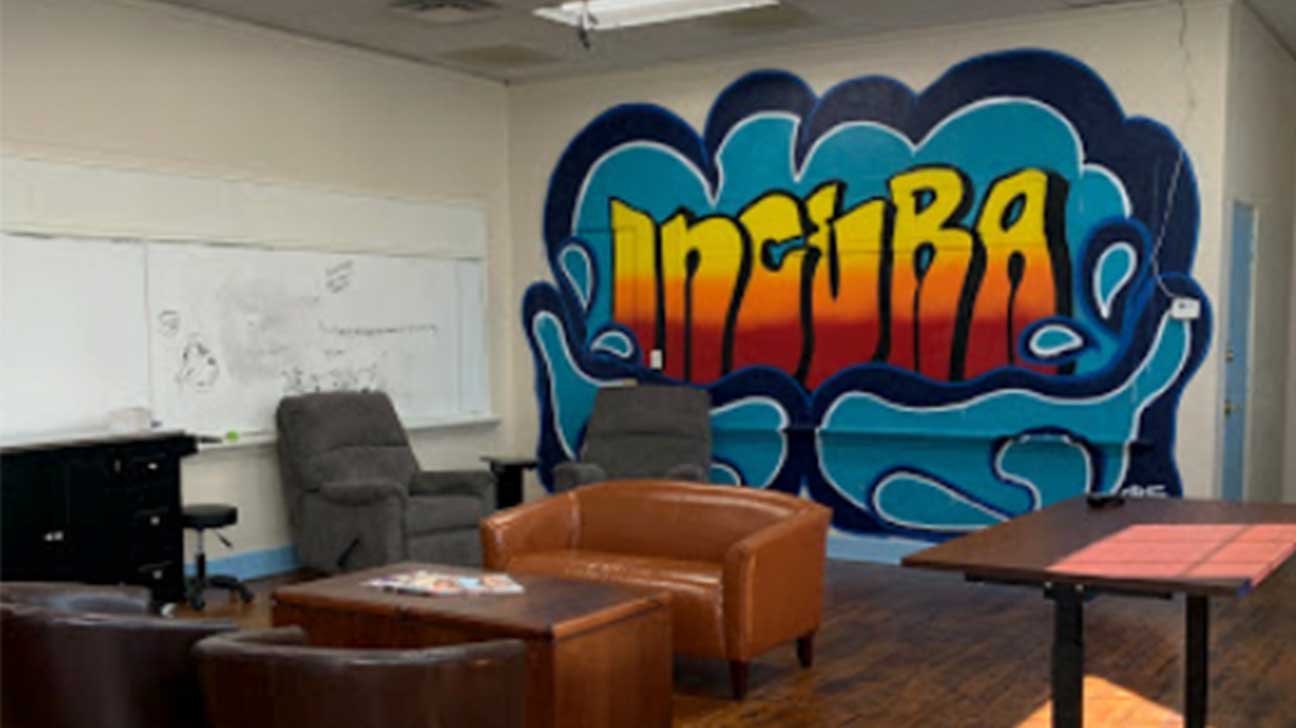
Incura offers substance abuse treatment in North Little Rock, AR, including medically monitored detox services.
A timeline of treatment services at Incura may include six to 10 days of detoxification, up to 30 days of day treatment, and up to 60 days of intensive outpatient treatment.
Some of the holistic services available here include yoga and meditation practice, fitness classes, and nutrition assistance.
Trusted features:
- Commission on Accreditation of Rehabilitation Facilities (CARF) accreditation
- LegitScript certification
- client testimonials
Levels of care:
- detoxification
- partial hospitalization program (PHP)
- intensive outpatient program (IOP)
Treatment services:
- group therapy
- relapse prevention
- cognitive behavioral therapy (CBT)
- sober living
- holistic treatment
Payment options:
- self-pay
Location and contact information:
3805 McCain Park Dr.
Ste. #120
North Little Rock, AR 72116
(501) 747-1731
3. Natural State Recovery Centers, North Little Rock, Arkansas
Natural State Recovery Centers provides a continuum of addiction treatment in North Little Rock, AR.
After completing residential detox, clients can access an array of evidence-based or holistic therapies including yoga, meditation, and fitness instruction.
There are also resources to help residents re-enter the community including access to events, hobbies, jobs, and community groups.
Trusted features:
- Commission on Accreditation of Rehabilitation Facilities (CARF) accreditation
- LegitScript certification
- client testimonials
Levels of care:
- residential treatment
- detoxification
- medication-assisted treatment (MAT)
- aftercare
Treatment services:
- holistic treatment
- 12-step recovery groups
- sober living
- relapse prevention
- individual therapy
Payment options:
- private health insurance
- self-pay
Location and contact information:
3600 Cantrell Rd.
Ste. #303
Little Rock, AR 72202
(501) 319-7074
4. New Vision At Baptist Health, Fort Smith, Arkansas
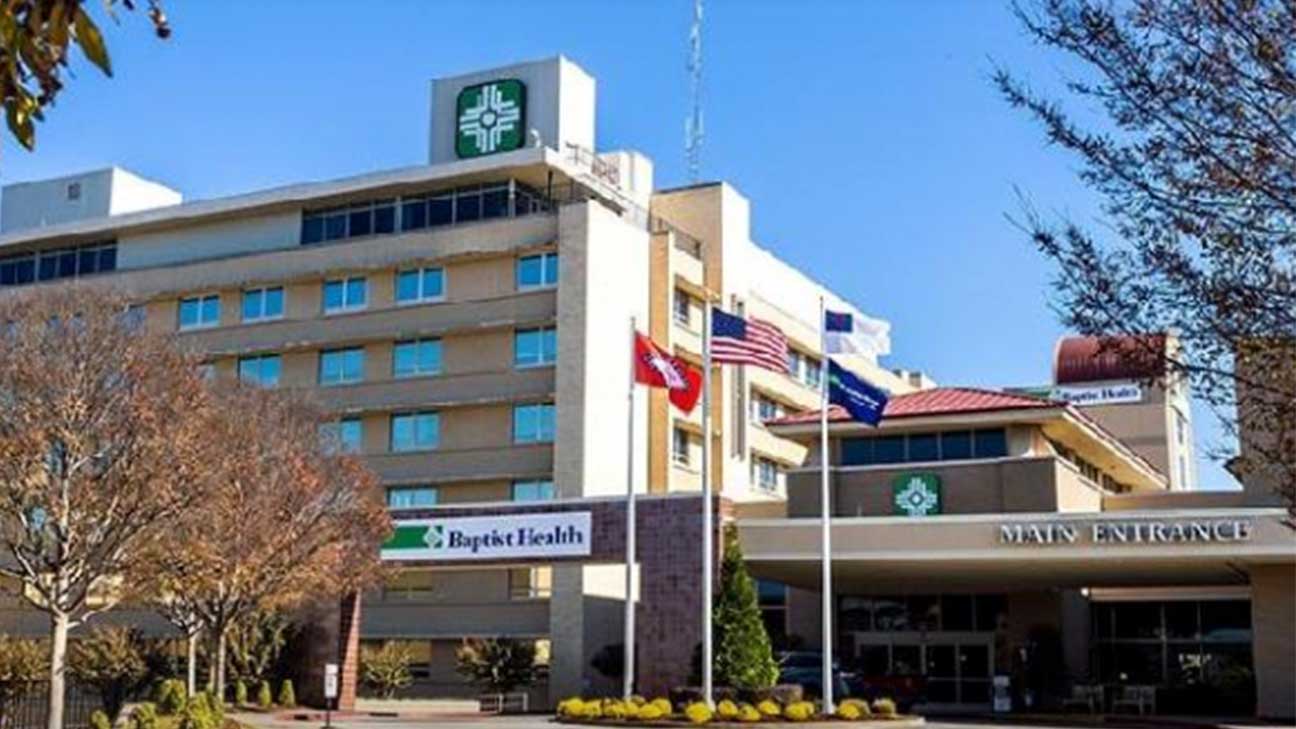
New Vision at Baptist Health is one of many treatment providers for BayMark Health Services that offers inpatient detox and substance abuse treatment in Fort Smith, AR.
Treatment services address cocaine, opioid, and polysubstance abuse and provide 24-hour monitoring throughout the withdrawal process.
Trusted features:
- LegitScript certification
- client testimonials
- evidence-based treatment
Levels of care:
- detoxification
Treatment services:
- counseling
- relapse prevention
- dual diagnosis treatment
Payment options:
- self-pay
Location and contact information:
1001 Towson Ave.
Fort Smith, AR 72901
(479) 255-5861
5. Ouachita Medical Center, Camden, Arkansas
Ouachita Medical Center has a department for chemical dependency in Camden, AR.
The inpatient program is individualized and usually lasts one to four weeks, depending on the needs of the client.
Client evaluations include a complete physical examination, medical history and laboratory tests, and more.
Trusted features:
- state licensure
- client testimonials
- evidence-based treatment
Levels of care:
- detoxification
- outpatient treatment
Treatment services:
- counseling
- 12-step recovery groups
- psychiatric services
- group therapy
- family therapy
Payment options:
- private health insurance
- Medicare
- Medicaid
- self-pay
Location and contact information:
638 California Ave. SW
Camden, AR 71701
(870) 836-1000
6. Serenity Park Recovery Center, Little Rock, Arkansas
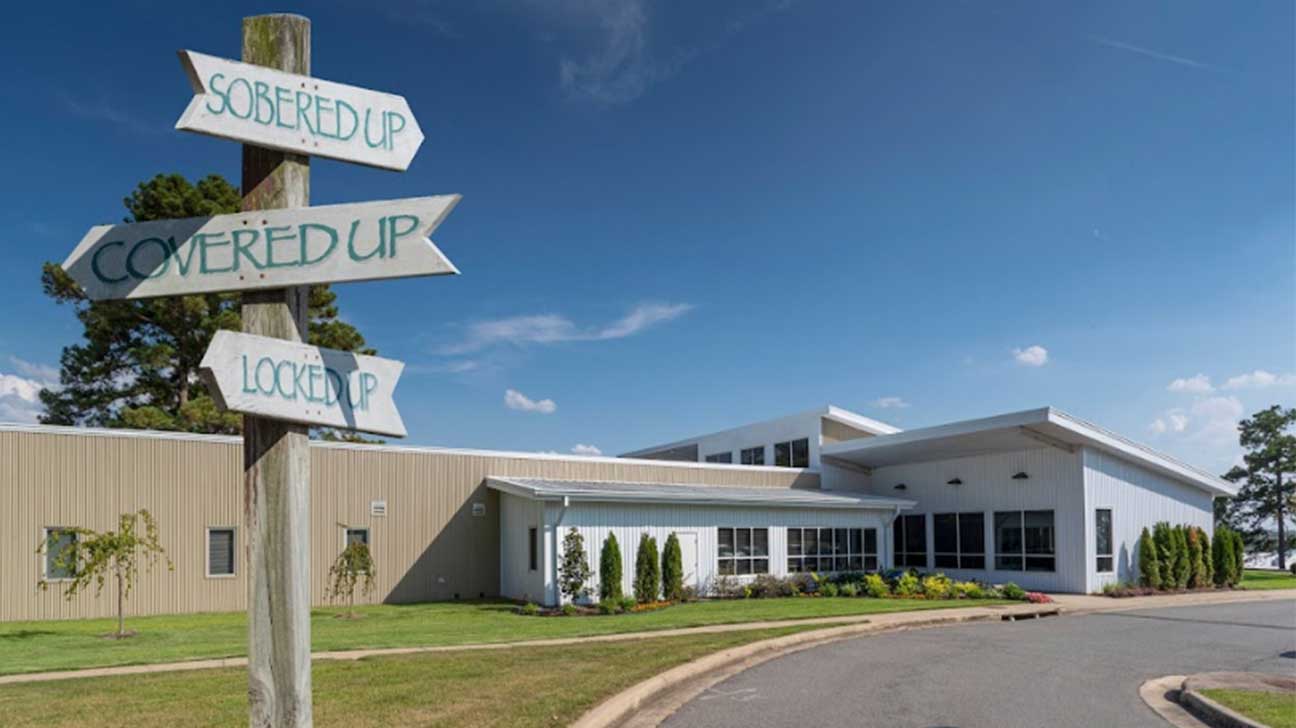
Serenity Park Recovery Center is a drug and alcohol treatment center in Little Rock, AR that provides medical detox and residential treatment services for men.
This rehab program offers evidence-based and holistic therapies such as mindfulness meditation practice and yoga.
Group therapy and therapeutic activities will occur at least five hours per day for 30 days in inpatient care.
Trusted features:
- Commission on Accreditation of Rehabilitation Facilities (CARF) accreditation
- client testimonials
- evidence-based treatment
Levels of care:
- residential treatment
- detoxification
Treatment services:
- counseling
- 12-step recovery groups
- group therapy
Payment options:
- private health insurance
- self-pay
Location and contact information:
2711 W. Roosevelt Rd.
Little Rock, AR 72204
(501) 313-0066
Addiction Treatment Services You May Find In Arkansas Rehab Centers
The following are some of the most common substance use disorder treatments offered in the state of Arkansas.
Behavioral health treatment options may include:
- group counseling
- group therapy
- inpatient treatment
- continuing care
- outpatient services
- behavioral therapy for drug abuse
- sober living
- holistic treatment plans
- wellness services
- 12-step programs
- co-occurring disorder treatment
- prescription drug addiction programs
- drug and alcohol detox
- support groups for adolescents or young adults
- general healthcare services
- intensive outpatient programs
- partial hospitalization programs
What To Look For In A Drug And Alcohol Rehab Facility In Arkansas
Quality Arkansas rehab centers often have one or more of the distinguishing marks listed below.
To know what to look for in a quality treatment facility, review the following:
- backing from a nationally recognized accrediting agency such as the Commission on Accreditation of Rehabilitation Facilities (CARF) or the Joint Commission
- certification from LegitScript
- high Google ratings
- positive client testimonials
FAQs About Arkansas Substance Abuse Treatment Centers
To learn more about rehab facilities and detox centers in Arkansas, please see the frequently asked questions listed below.
Are There Free Rehab Centers In Arkansas?
Yes, there are rehab centers that offer free treatment programs in Arkansas for people who cannot afford other payment options.
A recovery center that offers free treatment services usually receives funding from government grants or donations.
An Arkansas drug rehab center may also offer a sliding scale fee based on income.
Are There Residential Rehab Programs In Arkansas?
Yes, there are drug and alcohol rehab centers that offer residential treatment.
Inpatient rehab programs can be an effective form of treatment because clients have the opportunity to focus on their recovery without distractions or triggers.
Are There Pet-Friendly Drug Rehab Centers In Arkansas?
No, but there are pet-friendly treatment facilities in other states throughout the nation. A pet-friendly facility allows you to bring your dog or cat to treatment with you.
Are There Outpatient Addiction Treatment Centers In Arkansas?
Yes, there are. Outpatient treatment is a viable option for people who want to continue living at home for the duration of their treatment plan.
Clients can receive detox, MAT, group therapy, and more in an outpatient setting.
Are There Rehab Centers In Arkansas That Accept Medicaid?
Yes, some alcohol and drug treatment centers accept Arkansas Medicaid for substance abuse treatment.
There are also several rehab centers that accept coverage from private health insurance companies or other government-run insurance programs such as Medicare.
Find Substance Use Treatment Services Today
If you or a loved one is experiencing alcohol or drug addiction, reach out to DetoxRehabs.net today. Our team can help you find the services you need to achieve sobriety.
- Arkadelphia
- Batesville
- Benton
- Blytheville
- Bryant
- Cabot
- Camden
- Clarksville
- Clinton
- Conway
- Crossett
- Dumas
- El Dorado
- Fayetteville
- Fordyce
- Forrest City
- Fort Smith
- Gassville
- Hamburg
- Harrison
- Heber Springs
- Helena
- Hope
- Hot Springs National Park
- Jonesboro
- Lewisville
- Little Rock
- Malvern
- Marianna
- Marion
- Marshall
- Maumelle
- Mena
- Monticello
- Morrilton
- Mountain Home
- Mountain View
- Newport
- North Little Rock
- Ozark
- Paragould
- Pine Bluff
- Pocahontas
- Rogers
- Russellville
- Searcy
- Springdale
- Stuttgart
- Texarkana
- Trumann
- Van Buren
- Warren
- West Memphis
- Wynne
- Arkansas Department of Human Services — Division of Medical Services
https://humanservices.arkansas.gov/divisions-shared-services/medical-services/ - National Institute on Drug Abuse — Principles of Drug Addiction Treatment: A Research-Based Guide (Third Edition) Types of Treatment Programs
https://nida.nih.gov/publications/principles-drug-addiction-treatment-research-based-guide-third-edition/drug-addiction-treatment-in-united-states/types-treatment-programs - Substance Abuse and Mental Health Services Administration (SAMHSA) — Find treatment
https://findtreatment.gov/
