
Kentucky is known for horse racing, its rolling green hills, and its many bourbon distilleries. Residents of Kentucky also have access to addiction treatment throughout the state.
These Kentucky drug treatment centers offer such services as detoxification, behavioral health therapies, and the treatment of co-occurring mental health disorders.
List Of Kentucky Rehabilitation And Detox Facilities
Each Kentucky addiction treatment center below has been vetted by considering its marks of quality care.
Top qualifications may include:
- accreditations
- Google ratings
- client testimonials
1. The Healing Place, Louisville, Kentucky

The Healing Place provides addiction treatment in Louisville, KY.
Every day, this program provides food, shelter, clothing, and addiction recovery services to nearly 1,000 men and women at no cost to the client.
The gender-specific residential facility lasts approximately six months, followed by three months of transitional living services.
Trusted features:
- GuideStar Seal of Transparency
- client testimonials
- evidence-based treatment
Levels of care:
- residential treatment
- detoxification
- aftercare
Treatment services:
- cognitive behavioral therapy (CBT)
- motivational interviewing (MI)
- relapse prevention
- 12-step recovery groups
Payment options:
- free/low-cost
Location and contact information:
1017 W. Market
Louisville, KY 40202
(502) 357-1972
2. Isaiah House, Harrodsburg, Kentucky
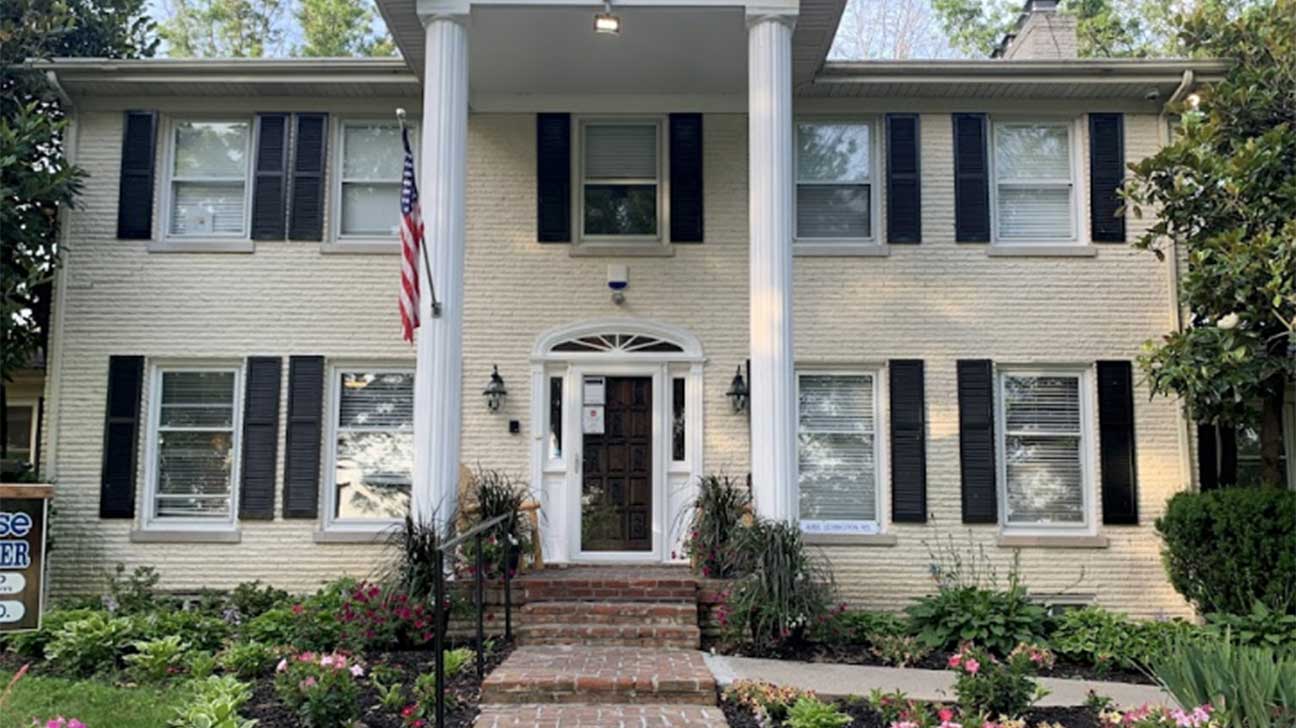
The Isaiah House is a faith-based, non-profit organization that provides addiction treatment in Harrodsburg, KY, near Lexington.
This facility offers gender-specific treatment for both men and women. Transportation services are available within the state of Kentucky.
Trusted features:
- Commission on Accreditation of Rehabilitation Facilities (CARF) accreditation
- LegitScript certification
- state licensure
Levels of care:
- residential treatment
- outpatient treatment
- medication-assisted treatment (MAT)
Treatment services:
- gender-specific treatment
- counseling
- peer recovery support
- family therapy
- case management
- 12-step recovery groups
- Suboxone treatment
Payment options:
- self-pay
- private health insurance
Location and contact information:
1090 Industry Rd.
Harrodsburg, KY 40330
(859) 375-9200
3. LifeSkills, Bowling Green, Kentucky
LifeSkills offers outpatient services and residential substance abuse treatment in Bowling Green, KY, including non-medical detox.
The 20-bed facility provides recreational therapy, medication evaluation and management, and case management for pregnant women.
DUI and additional alcohol and other drug assessments are available to people requiring an evaluation to determine their level of substance use.
Trusted features:
- Commission on Accreditation of Rehabilitation Facilities (CARF) accreditation
- client testimonials
- licensed staff
Levels of care:
- residential treatment
- outpatient treatment
Treatment services:
- drug testing
- group therapy
- 12-step recovery groups
- psychiatric services
- family therapy
- case management
- pregnant women’s addiction treatment
Payment options:
- self-pay
- Medicaid
Location and contact information:
1711 Ashley Cir.
Ste. #6
Bowling Green, KY 42101
(270) 901-5177
4. Pinnacle Treatment Centers, Elizabethtown, Kentucky
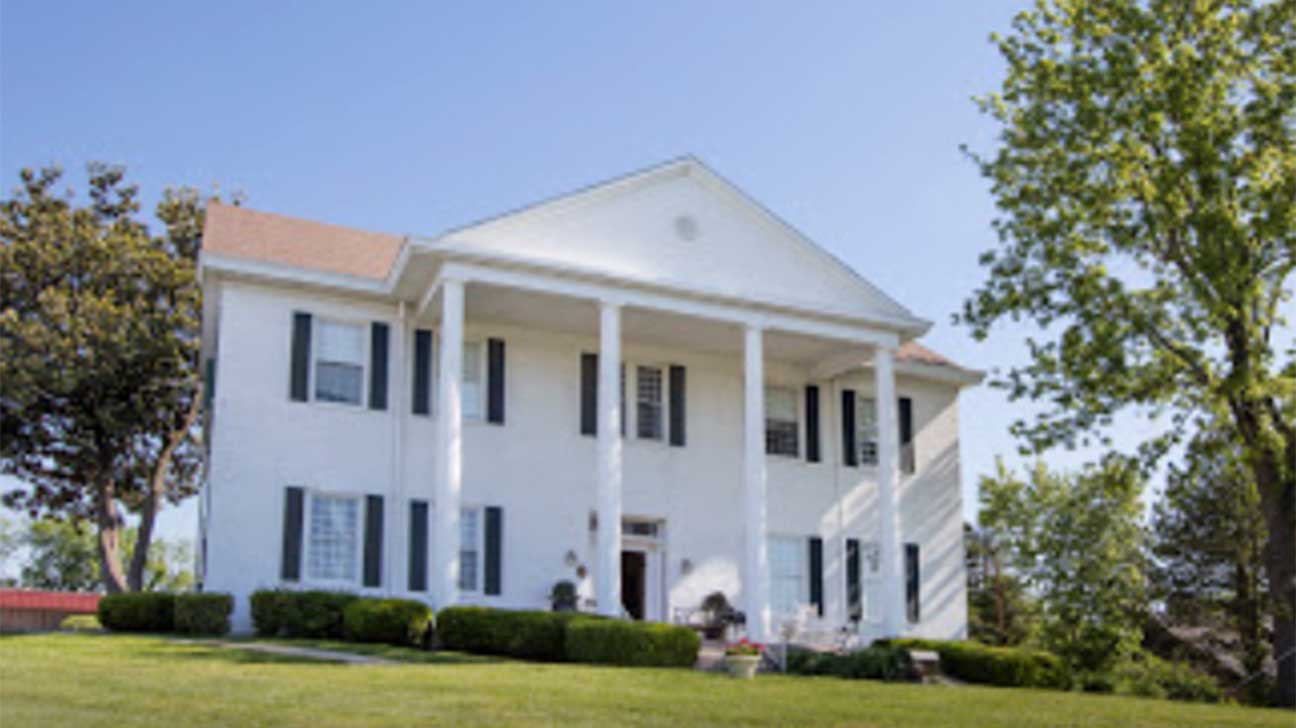
Pinnacle Treatment Centers provides addiction recovery services in Elizabethtown, KY for alcohol and opioid use disorders.
The wide array of treatment services includes medical detox, medication-assisted treatment, and dual diagnosis treatment in residential and outpatient settings.
Evidence-based services as well as holistic therapies such as art and music therapy are available here.
Trusted features:
- Commission on Accreditation of Rehabilitation Facilities (CARF) accreditation
- state licensure
- evidence-based treatment
Levels of care:
- residential treatment
- detoxification
- partial hospitalization program (PHP)
- intensive outpatient program (IOP)
- medication-assisted treatment (MAT)
Treatment services:
- methadone treatment
- Suboxone treatment
- counseling
- group therapy
- 12-step recovery groups
- life skills education
- anger management
Payment options:
- private health insurance
- Medicaid
Location and contact information:
102 Diecks Dr.
Elizabethtown, KY 42701
(270) 600-3964 ext. 736
5. Rivendell Behavioral Health Hospital, Bowling Green, Kentucky
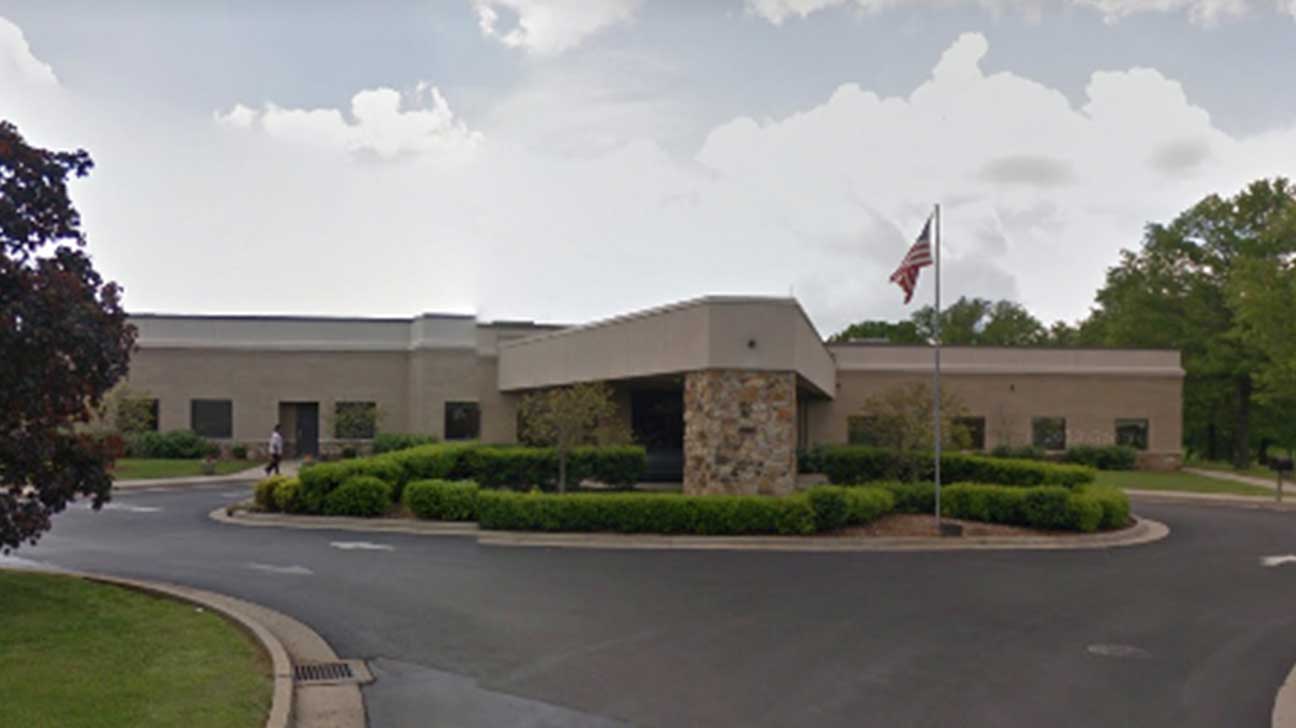
Rivendell Behavioral Health Hospital offers inpatient and outpatient treatment for drug and alcohol addiction near Somerset, KY.
The residential program provides care for children ages 5 to 11, adolescents ages 12 to 18, and adults 18 and older.
Rivendell Behavioral Health Hospital is accredited and has partnerships with the National Action Alliance for Suicide Prevention.
Trusted features:
- Joint Commission accreditation
- client testimonials
- licensed staff
Levels of care:
- residential treatment
- detoxification
- partial hospitalization program (PHP)
- intensive outpatient program (IOP)
Treatment services:
- counseling
- dialectical behavior therapy (DBT)
- life skills education
- dual diagnosis treatment
- adolescent treatment
Payment options:
- Medicaid
- Medicare
- TRICARE
1035 Porter Pike
Bowling Green, KY 42103
(270) 843-1199
6. Seven Counties Services, Louisville, Kentucky
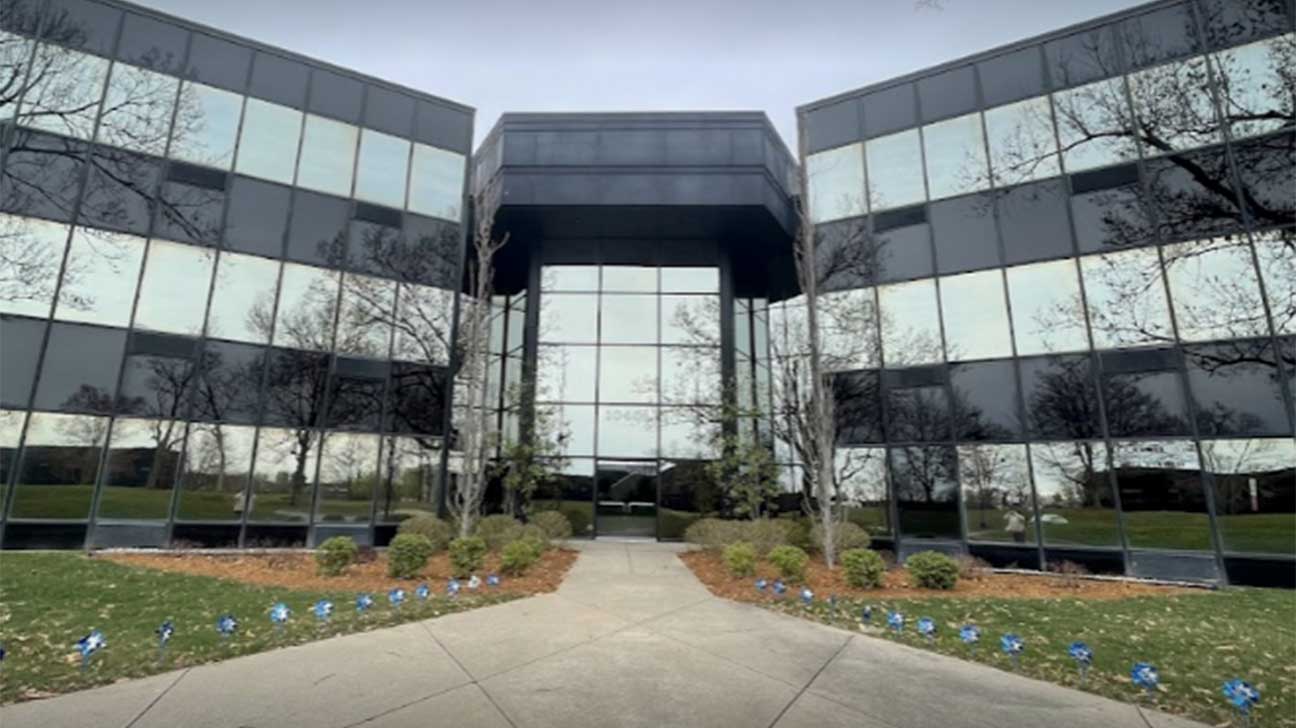
Seven Counties Services offers substance abuse treatment near Owensboro, KY.
The inpatient treatment program offers specialized programs for pregnant and postpartum women, and people with a co-occurring mental health disorder.
Trusted features:
- Joint Commission accreditation
- LegitScript certification
- licensed staff
Levels of care:
- residential treatment
- detoxification
- intensive outpatient program (IOP)
- medication-assisted treatment (MAT)
- aftercare
Treatment services:
- gender-specific treatment
- pregnant women’s addiction treatment
- peer recovery support
- case management
- counseling
- group therapy
Payment options:
- private health insurance
- Medicare
- Medicaid
Location and contact information:
600 S. Preston St.
Louisville, KY 40202
(502) 583-3951
7. Stepworks, Bowling Green, Kentucky
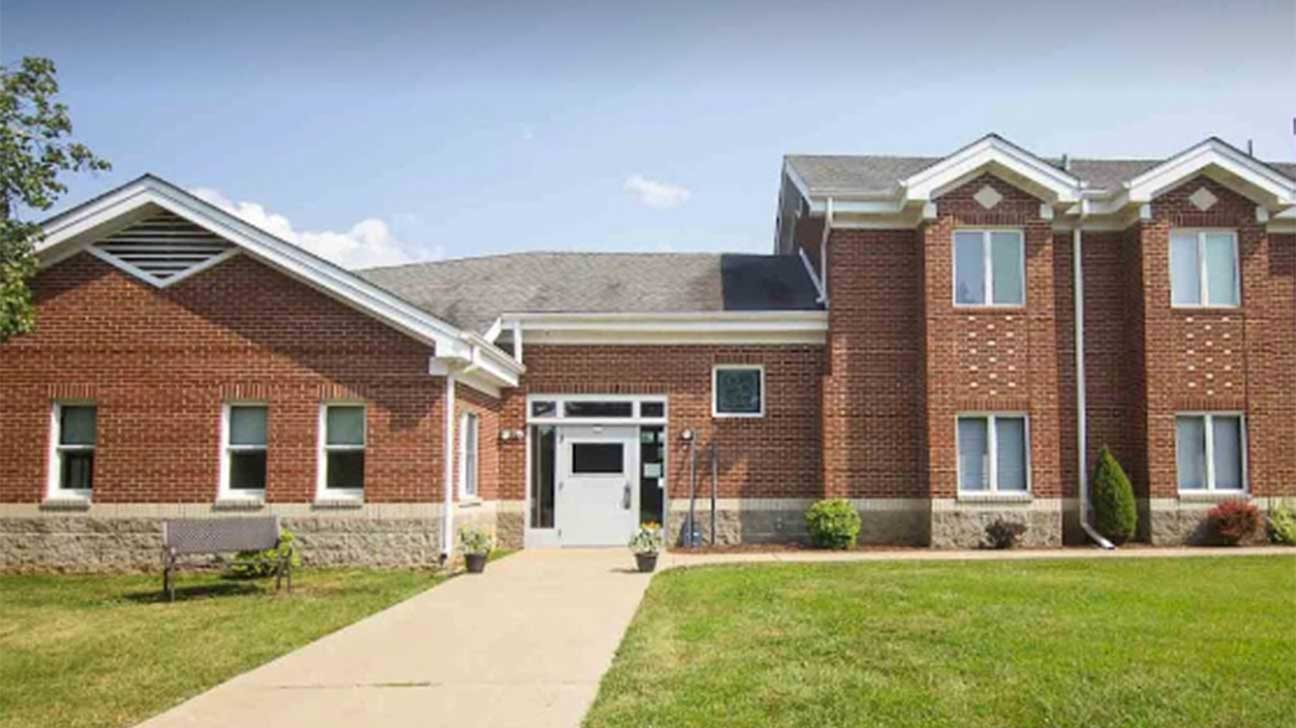
Stepworks offers a treatment program for alcohol and drug abuse near Paducah, KY, and elsewhere throughout the state.
This facility provides relaxing community spaces, outdoor recreation areas, and the privacy required for personal reflection and change.
The program starts with detox and may continue with a residential stay of 30 days. Afterward, clients can transition into sober living housing for the duration of their stay.
Trusted features:
- Commission on Accreditation of Rehabilitation Facilities (CARF) accreditation
- LegitScript certification
- client testimonials
Levels of care:
- residential treatment
- detoxification
- medication-assisted treatment (MAT)
Treatment services:
- counseling
- Suboxone treatment
- clinical services
- sober living
Payment options:
- private health insurance
- self-pay
Location and contact information:
331 Brookewood Dr.
Bowling Green, KY 42101
(800) 545-9031
Addiction Treatment Services You May Find In Kentucky Rehabilitation Centers
You can expect to find a wide range of treatment approaches for alcohol and drug abuse in Kentucky rehab centers.
Treatment options in Kentucky addiction centers may include the following:
- relapse prevention
- dual diagnosis treatment
- medical detox
- peer support groups
- outpatient rehab programs
- sober living homes
- group therapy
- partial hospitalization programs (PHP)
- IOP
- MAT
- aftercare services
- long-term or short-term residential treatment
- mental health services
- general healthcare and wellness services
What To Look For In A Drug And Alcohol Rehab Facility In Kentucky
Below are some of the marks of quality you should keep in mind as you search for a rehab center in Kentucky that fits your needs.
A quality drug addiction treatment center may feature one or more of the following:
- accreditation through a nationally recognized accrediting agency such as CARF or the Joint Commission
- certifications through the appropriate state or federal governing bodies, or through organizations such as LegitScript.
- client testimonials or high ratings on Google
- being an in-network provider for private insurance companies
- membership in credible organizations such as the American Association for the Treatment of Opioid Dependence (AATOD)
FAQs About Kentucky Substance Abuse Treatment Centers
You can learn more about Kentucky rehab centers and the treatment programs that they offer by reading through the frequently asked questions listed below.
Do All Addiction Recovery Centers Offer Detox In Kentucky?
There are many facilities in Kentucky that offer detoxification.
Detox is commonly offered with other inpatient treatment services or through a standalone outpatient detox center.
Is There A Free Addiction Recovery Program In Kentucky?
You can find free Kentucky rehab centers throughout the state.
Free rehabilitation centers are typically funded through private donations or government grants.
A treatment facility may also offer free or low-cost services by accepting government-funded health insurance programs such as Medicare or Kentucky Medicaid for substance use treatment.
Do Drug Treatment Facilities Offer Dual Diagnosis Treatment In Kentucky?
Yes, many drug and alcohol treatment centers offer dual diagnosis treatment because co-occurring mental health disorders can aggravate substance use disorders.
Dual-diagnosis treatment may include medication management, psychiatric care, and behavioral therapy.
Are There LGBTQ-Friendly Drug Rehab Programs In Kentucky?
LGBTQ-friendly rehab centers in Kentucky offer treatment services designed to address the unique needs of LGBTQIA+ people.
Do Kentucky Drug Rehab Centers Offer Individualized Treatment Plans?
According to the National Institute on Drug Abuse, there is no single way to treat alcohol and drug addiction.
Individualized treatment plans take into account a client’s unique background, health history, and other factors to create a recovery program that works.
Find Substance Abuse Treatment Services Today
If you or a loved one is facing a substance use disorder, you can find more information about drug and alcohol treatment by reaching out to DetoxRehabs.net today.
- Albany
- Ashland
- Barbourville
- Bardstown
- Beattyville
- Beaver Dam
- Belfry
- Bowling Green
- Brandenburg
- Brooksville
- Brownsville
- Campbellsville
- Campton
- Carrollton
- Columbia
- Corbin
- Covington
- Cynthiana
- Danville
- Elizabethtown
- Emmalena
- Falmouth
- Flemingsburg
- Florence
- Fort Mitchell
- Frankfort
- Franklin
- Frenchburg
- Georgetown
- Glasgow
- Grayson
- Greensburg
- Greenup
- Greenville
- Hardinsburg
- Harlan
- Harrodsburg
- Hawesville
- Hazard
- Henderson
- Hopkinsville
- Hyden
- Inez
- Irvine
- Jackson
- Jamestown
- La Grange
- Latonia
- Lawrenceburg
- Lebanon
- Leitchfield
- Lexington
- Liberty
- London
- Louisa
- Louisville
- Madisonville
- Manchester
- Mayfield
- Mayking
- Maysville
- Middlesboro
- Monticello
- Morehead
- Morganfield
- Morgantown
- Mount Sterling
- Mount Vernon
- Munfordville
- Newport
- Nicholasville
- Owensboro
- Owenton
- Owingsville
- Paducah
- Paintsville
- Paris
- Pikeville
- Pineville
- Prestonsburg
- Princeton
- Providence
- Radcliff
- Richmond
- Russellville
- Salyersville
- Sandy Hook
- Scottsville
- Shelbyville
- Shepherdsville
- Somerset
- Stanford
- Taylorsville
- Tompkinsville
- Vanceburg
- Warsaw
- West Liberty
- Whitley City
- Williamsburg
- Williamstown
- Winchester
- National Institute on Drug Abuse (NIDA) — Principles of Drug Addiction Treatment: A Research-Based Guide (Third Edition)
https://nida.nih.gov/sites/default/files/podat-3rdEd-508.pdf - Substance Abuse and Mental Health Services Administration (SAMHSA) — Find treatment
https://findtreatment.gov/ - Team Kentucky — Department for Medicaid Services
https://chfs.ky.gov/agencies/dms/Pages/default.aspx
